
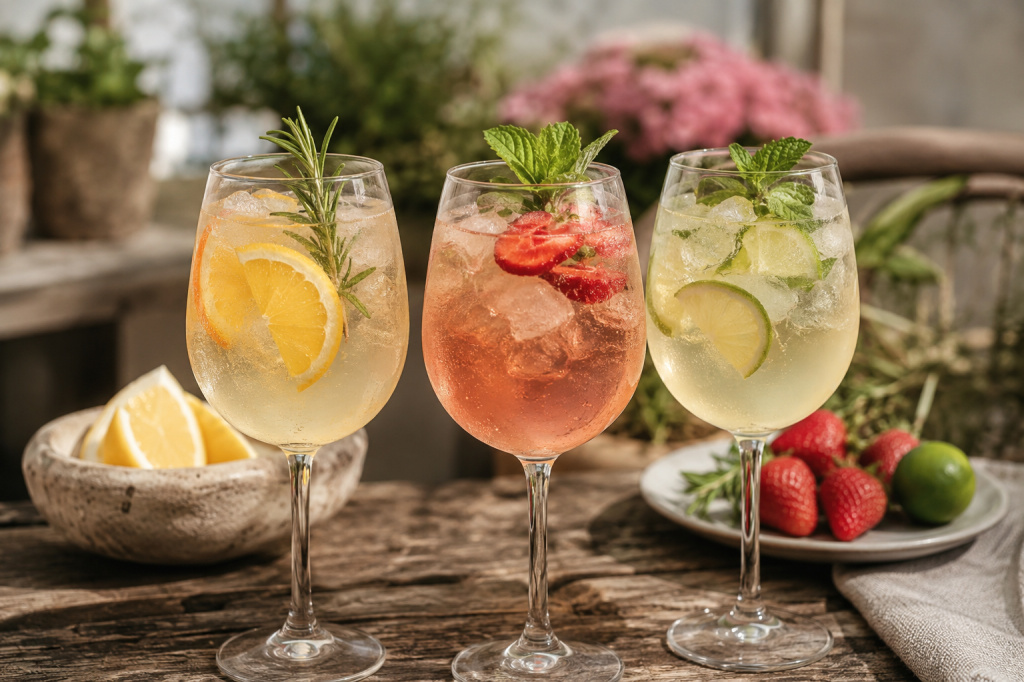
Every year, wine lovers and casual cocktail drinkers alike raise a chilled glass in celebration of Wine Spritzer Day — a lighthearted occasion dedicated to one of the most refreshing beverages ever created. Crisp, bubbly, and endlessly customizable, the wine spritzer occupies a unique place in drinking culture: elegant enough for brunch, casual enough for backyard gatherings, and versatile enough for nearly any season.
Unlike heavier cocktails or high-alcohol mixed drinks, the wine spritzer embraces moderation and simplicity. Its formula is straightforward — wine combined with sparkling water or soda — yet the result is surprisingly sophisticated.
The origins of the wine spritzer
The word “spritzer” originates from the German word spritzen, meaning “to spray” or “to splash.” The beverage became especially popular in Austria and Germany, where white wine mixed with sparkling mineral water developed into a staple summer drink. Over time, the concept spread across Europe and eventually into North America, evolving into countless regional and modern variations. Historically, wine spritzers gained popularity for practical reasons as much as taste. Mixing wine with mineral water lowered the alcohol content, making it possible to enjoy drinks over long social gatherings without overwhelming intoxication. In warm climates, the added carbonation and dilution also made wine more refreshing.
Today, the spritzer has experienced a revival as consumers increasingly seek lighter, lower-alcohol beverages that prioritize flavor and drinkability.
Why wine spritzers remain popular
One reason wine spritzers endure is adaptability. Nearly any wine can serve as a base, though crisp whites and rosés remain the most common choices. Sauvignon Blanc, Pinot Grigio, Riesling, and dry rosé varieties pair particularly well with sparkling water.
The beverage also aligns with several modern lifestyle trends:
– Lower alcohol consumption
– Reduced calorie intake
– Daytime social drinking
– Outdoor entertaining
– Simple at-home mixology
A wine spritzer can be prepared in under a minute, requires minimal ingredients, and still feels elevated compared to standard canned beverages.
How to make a classic wine spritzer
The traditional wine spritzer recipe is remarkably simple:
– 3 ounces white wine
– 3 ounces sparkling water or club soda
– Ice
– Citrus garnish
Pour the wine over ice, top with sparkling water, and garnish with lemon, lime, or orange slices. The ratio can be adjusted depending on preference. Some drinkers favor a stronger wine-forward profile, while others prefer a lighter, more sparkling version.
Popular variations
Wine spritzers have evolved far beyond the original formula. Common variations include:
Rosé Spritzer
A dry rosé mixed with sparkling water and fresh strawberries creates a fruit-forward summer drink.
Citrus Spritzer
Orange liqueur, lemon slices, and sparkling wine provide a brighter, brunch-style interpretation.
Herbal Spritzer
Fresh basil, mint, or rosemary can introduce aromatic complexity without overpowering the wine.
Red Wine Spritzer
Less common but increasingly popular, red wine spritzers often incorporate citrus soda or tonic water for balance.
Seasonal Fruit Spritzers
Peaches in summer, apples in autumn, and cranberries during winter holidays all work exceptionally well.
Food pairings
Because wine spritzers are lighter and more carbonated than standard wine pours, they pair naturally with fresh, uncomplicated foods. Popular combinations include:
– Charcuterie boards
– Seafood dishes
– Fresh salads
– Grilled vegetables
– Soft cheeses
– Brunch menus
The acidity and effervescence help cleanse the palate, making spritzers partic
The modern appeal of simplicity
In an era dominated by elaborate cocktails and highly engineered beverages, the wine spritzer stands out precisely because of its restraint. It does not rely on excessive sweetness, complicated preparation methods, or obscure ingredients. Instead, it highlights balance, refreshment, and ease.
 Bar and Bites Consulting
Leave a comment