
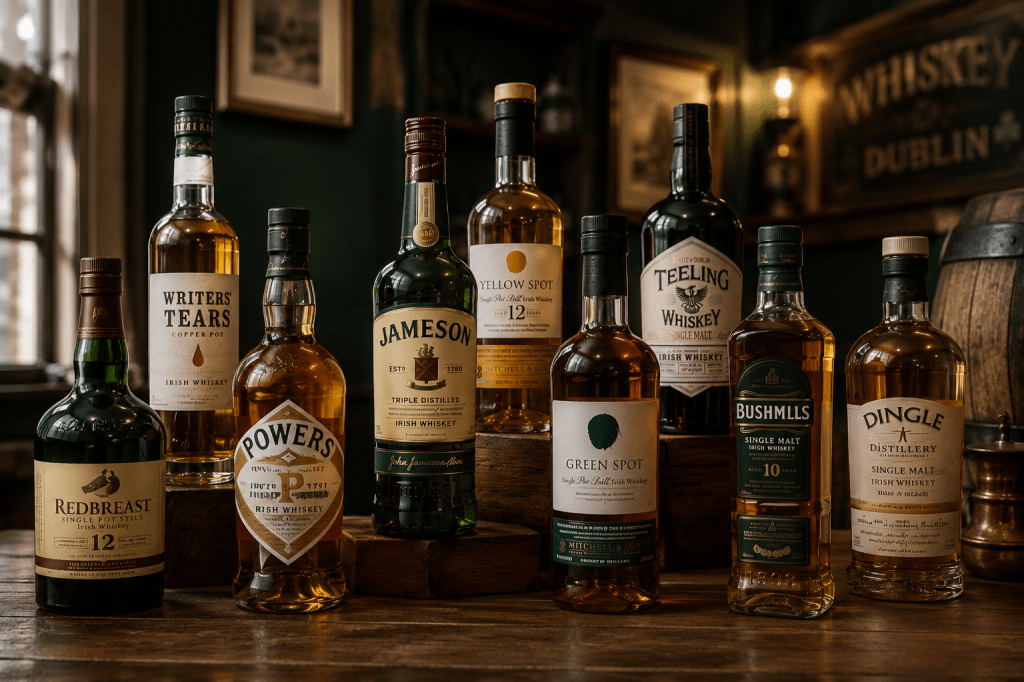
Irish whiskey is one of the oldest distilled spirits in the world, renowned for its smooth character, approachable flavour profile, and deep cultural heritage. Produced on the island of Ireland for centuries, it has evolved from a monastic craft into a globally respected spirit category enjoyed neat, on the rocks, and in cocktails.
The origin of Irish whiskey
The origins of Irish whiskey are commonly traced back to medieval monks who returned to Ireland from Southern Europe with knowledge of distillation techniques. While early distillation was initially used for perfumes and medicinal purposes, Irish monks adapted the process to create a spirit known as uisce beatha, meaning “water of life” in Gaelic. Over time, the phrase evolved into the English word “whiskey.”
By the 16th century, whiskey production had become widespread across Ireland. Unlike many spirits of the era, Irish whiskey developed a reputation for quality and refinement. Historical records show that Irish whiskey was consumed by nobility and exported internationally as early as the 1700s.
A brief history of Irish whiskey
During the 19th century, Ireland dominated the global whiskey industry. Dublin alone was home to some of the largest distilleries in the world, including famous names such as Jameson and Powers. Irish whiskey was widely regarded as the premium whiskey style of the period.
However, the industry suffered severe decline during the early 20th century due to several factors:
– The Irish War of Independence and subsequent trade disputes
– American Prohibition (1920–1933)
– Competition from Scotch whisky producers
– Economic instability and reduced exports
By the 1970s, only a handful of Irish distilleries remained operational.
The modern revival of Irish whiskey began in the late 20th century and accelerated dramatically in the 21st century. New distilleries emerged, global demand increased, and Irish whiskey became one of the fastest-growing spirits categories worldwide. Today, Ireland produces a diverse range of styles, from traditional pot still whiskey to innovative cask-finished expressions.
How Irish whiskey is made
Irish whiskey production follows strict regulations that define both its geographic origin and production methods. To legally qualify as Irish whiskey, the spirit must:
– Be produced on the island of Ireland
– Be distilled to less than 94.8% ABV
– Mature in wooden casks for at least three years
– Be bottled at a minimum of 40% ABV
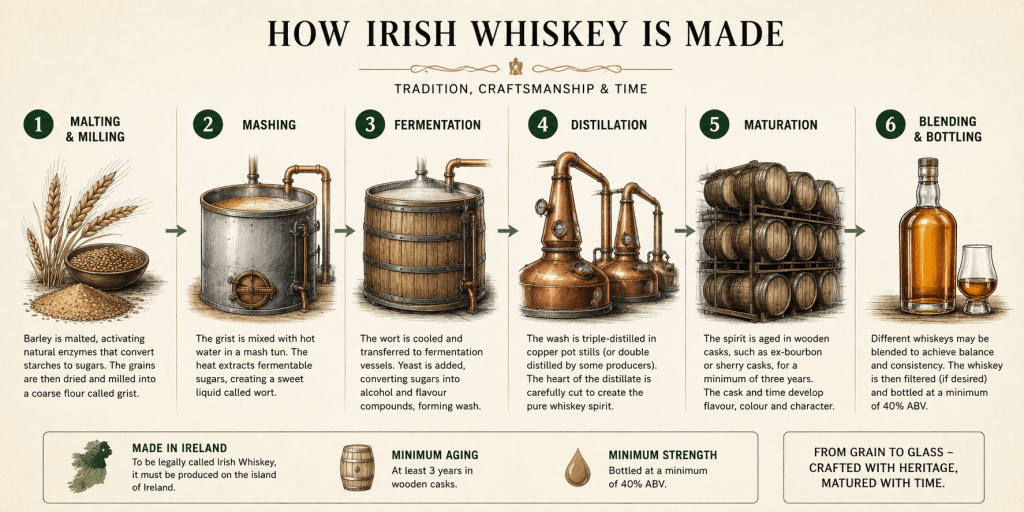
1. Malting and Milling
Production begins with barley, although other grains such as corn or wheat may also be used depending on the whiskey style. The barley may be malted, meaning it is soaked, germinated, and dried to activate enzymes that convert starches into fermentable sugars. The grains are then milled into a coarse flour known as grist.
2. Mashing
The grist is mixed with hot water in a mash tun. Heat extracts fermentable sugars from the grain, producing a sweet liquid called wort.
3. Fermentation
The wort is transferred into fermentation vessels where yeast is added. Over several days, the yeast converts sugars into alcohol and flavour compounds, creating a beer-like liquid known as wash.
4. Distillation
Irish whiskey is traditionally triple-distilled in copper pot stills, although some producers use double distillation. Triple distillation is often credited for the lighter and smoother profile associated with Irish whiskey. During distillation, alcohol vapours are separated and concentrated. Distillers carefully select the “heart cut,” which becomes the whiskey spirit.
5. Maturation
The spirit is aged in wooden barrels, commonly ex-bourbon barrels or sherry casks. The interaction between spirit and wood develops flavour, colour, and complexity over time. Ireland’s relatively mild climate contributes to gradual maturation and balanced flavour development.
6. Blending and Bottling
Many Irish whiskeys are blends of different whiskey styles or cask types. Others are single malt or single pot still expressions. Before bottling, the whiskey may be filtered and diluted to bottling strength.
Irish whiskey flavour profile
Irish whiskey is generally known for being smooth, light, and approachable, although styles vary considerably between distilleries and production methods.
Common flavour notes include:
– Honey
– Vanilla
– Toasted grain
– Orchard fruits such as apple and pear
– Caramel
– Light spice
– Nuts
Dried fruit
Compared with Scotch whisky, Irish whiskey is usually less smoky because peat is less commonly used during malting. Compared with bourbon, it often has a lighter body and less overt sweetness.
Major Irish whiskey styles
Single malt Irish whiskey
Made entirely from malted barley at a single distillery using pot stills. Often elegant, fruity, and layered.
Single Pot Still Irish Whiskey
Unique to Ireland, produced from a mix of malted and unmalted barley. Known for creamy texture and spice character.
Grain Whiskey
Produced mainly from corn or wheat in column stills. Typically lighter and softer.
Blended Irish Whiskey
A combination of different whiskey styles. This is the most widely consumed category globally.
Three classic Irish whiskey cocktails
1. Irish Coffee
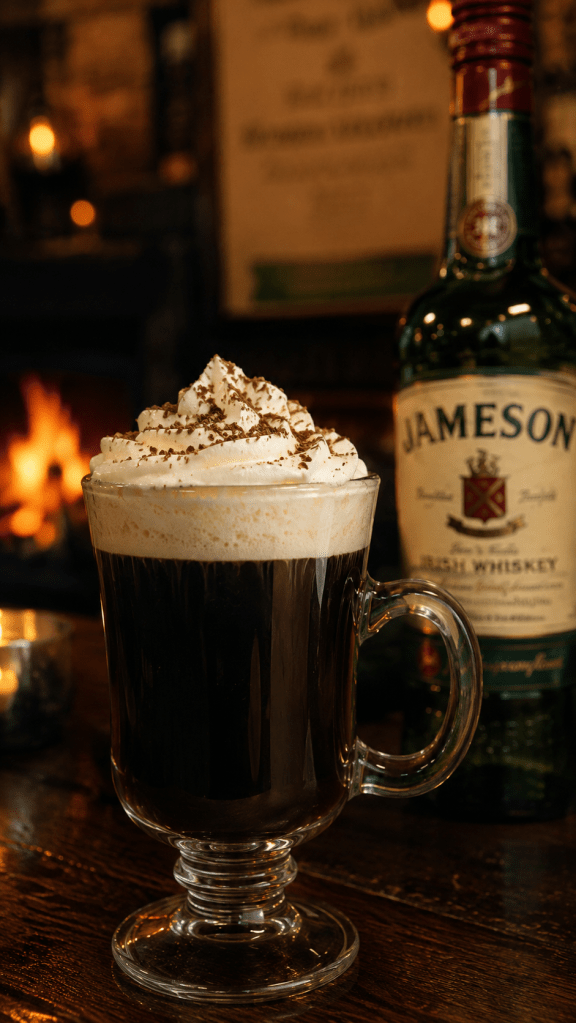
Ingredients
- 1.5 oz Irish whiskey (45 ml)
- 4 oz hot coffee (120 ml)
- 0.5 oz simple syrup or brown sugar syrup (15 ml)
- 1 oz lightly whipped cream (30 ml)
Method
- Warm a heatproof glass with hot water and discard the water.
- Add the Irish whiskey and syrup.
- Pour in the hot coffee and stir well.
- Gently float the whipped cream on top using the back of a spoon.
- Serve without stirring.
2. Whiskey Ginger
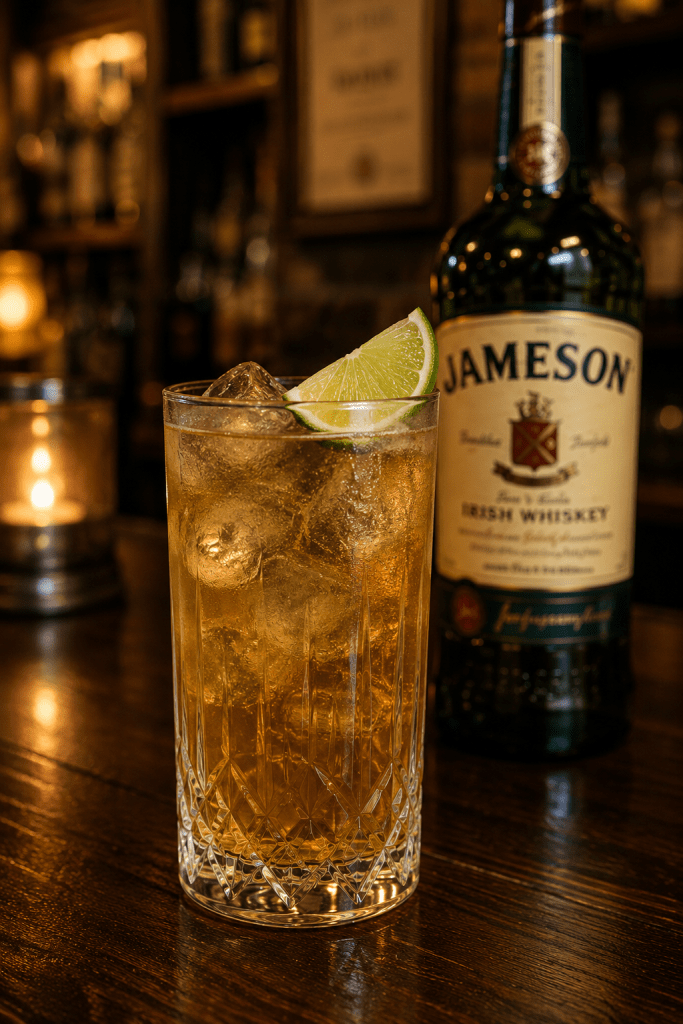
Ingredients
- 2 oz Irish whiskey (60 ml)
- 4 oz ginger ale (120 ml)
- 0.5 oz fresh lime juice (15 ml)
- Ice cubes
Method
- Fill a highball glass with ice.
- Pour in the whiskey and lime juice.
- Top with ginger ale.
- Stir gently and garnish with a lime wedge.
3. Tipperary
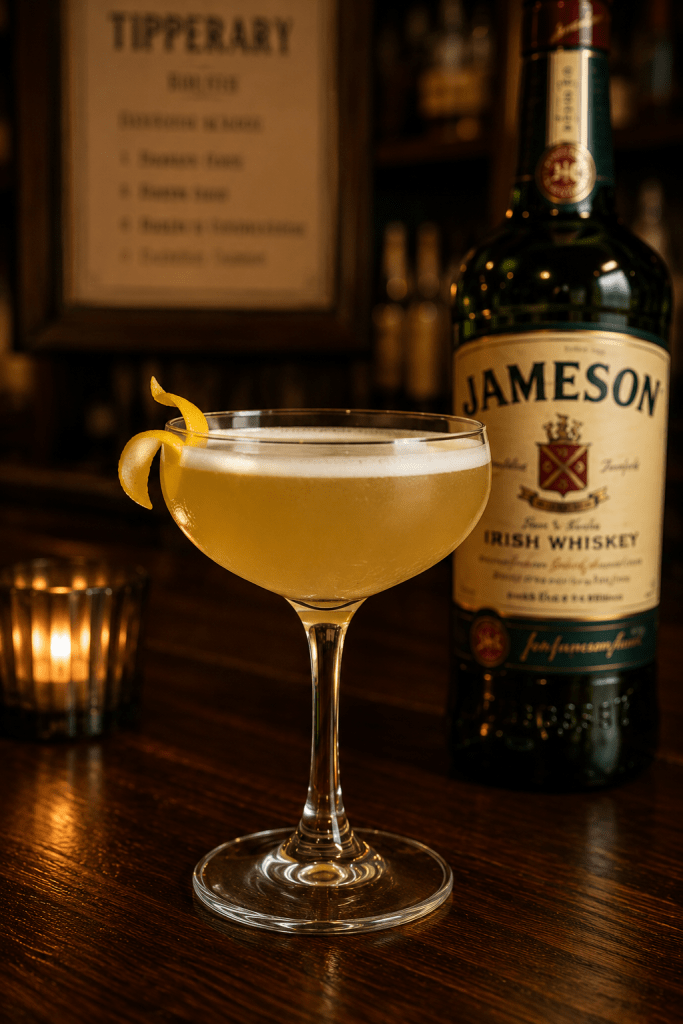
Ingredients
- 1.5 oz Irish whiskey (45 ml)
- 1 oz sweet vermouth (30 ml)
- 0.5 oz green Chartreuse (15 ml)
- Ice cubes
Method
- Add all ingredients to a mixing glass filled with ice.
- Stir until thoroughly chilled.
- Strain into a chilled cocktail glass.
 Bar and Bites Consulting
Leave a comment