
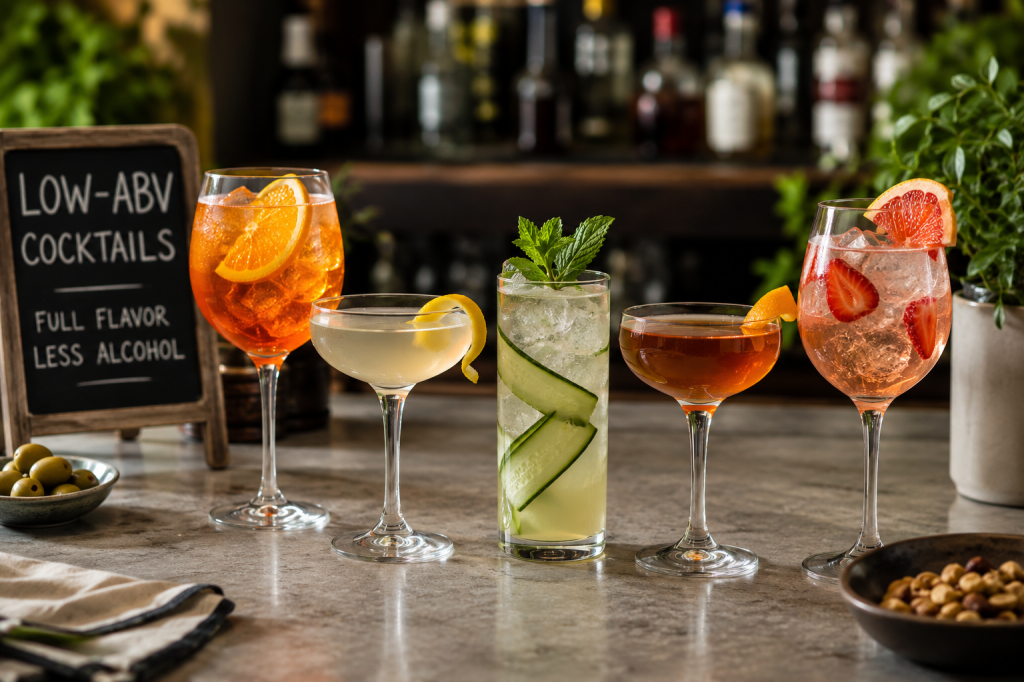
The cocktail industry has undergone a remarkable transformation over the past decade. While craft spirits and high-proof cocktails continue to have their place behind the bar, a growing number of consumers are seeking drinks that offer balance, flavor, and social enjoyment without excessive alcohol content. This shift has fueled the rise of Low-ABV (Alcohol By Volume) cocktails.
Low-ABV cocktails are no longer viewed as a compromise. Instead, they have become a category of their own, celebrated for their complexity, sessionability, and ability to showcase unique ingredients. From aperitifs and fortified wines to vermouths, sherries, and botanical liqueurs, bartenders are finding innovative ways to create drinks that are lighter in alcohol yet rich in flavor.
What are low-ABV cocktails?
Low-ABV cocktails are mixed drinks that contain significantly less alcohol than traditional cocktails. While there is no universally accepted definition, most Low-ABV cocktails typically contain between 3% and 10% alcohol by volume when served.
By comparison:
– Traditional Martini: 25%–30% ABV
– Manhattan: 20%–25% ABV
– Margarita: 15%–20% ABV
– Low-ABV Cocktail: Usually 3%–10% ABV
The lower alcohol content is achieved by replacing high-proof spirits with ingredients such as: vermouth, sherry, aperitifs, amari, fortified wine, sparkling wine, tonic water, soda water, kombucha, botanical mixers.
Why are Low-ABV cocktails so popular?
Health-conscious consumers
Many guests want to enjoy social drinking while moderating their alcohol intake. Low-ABV cocktails allow them to enjoy multiple drinks without becoming overly intoxicated.
Extended social experiences
Because they contain less alcohol, Low-ABV cocktails are ideal for brunches, daytime gatherings, business lunches, and long evening events.
Flavor exploration
Many low-proof ingredients offer remarkable complexity. Sherries, vermouths, and herbal liqueurs contain layers of botanical, nutty, floral, and citrus notes that can create sophisticated cocktails.
Increased menu diversity
Offering Low-ABV options allows bars and restaurants to cater to a wider audience while creating opportunities for signature menu items.
Essential ingredients for Low-ABV cocktails
Vermouth
Vermouth is a fortified wine infused with botanicals and herbs. Popular styles include: dry Vermouth, sweet Vermouth, bianco Vermouth, rosé Vermouth.
Sherry
Produced in Spain, sherry contributes nutty, saline, and complex flavors. Popular styles: Fino, Manzanilla, Amontillado, Oloroso.
Aperitifs
Low-proof aperitifs are designed to stimulate the appetite before meals. Examples include: Aperol, Select Aperitivo, Lillet Blanc, Cocchi Americano.
Amari
Many amari have lower alcohol levels than traditional spirits and contribute bitterness, herbal complexity, and depth.
Low-ABV cocktail recipes
1. Classic Aperol Spritz
Aperol Spritz remains one of the world’s most popular Low-ABV cocktails.
Ingredients
- 90 ml (3 oz) Prosecco
- 60 ml (2 oz) Aperol
- 30 ml (1 oz) Soda Water
- Orange slice garnish
Instructions
- Fill a large wine glass with ice.
- Add the Aperol.
- Pour in the Prosecco.
- Top with soda water.
- Gently stir.
- Garnish with an orange slice.
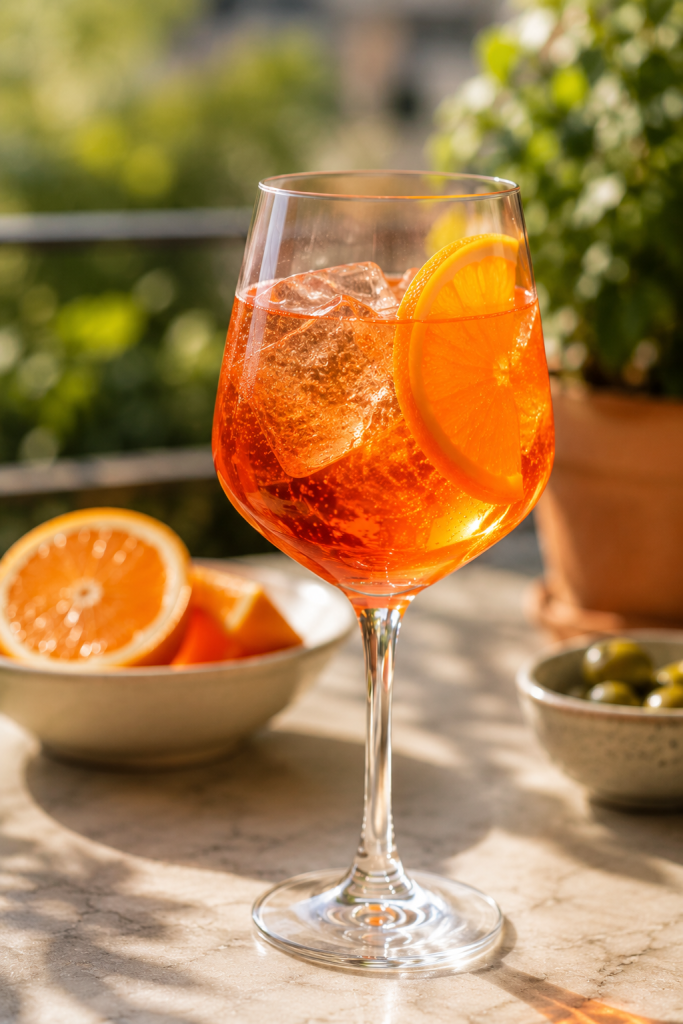
Approximate ABV: 8–10%
2. Bamboo Cocktail
A classic sherry-based cocktail dating back to the late 1800s.
Ingredients
- 45 ml (1.5 oz) Fino Sherry
- 45 ml (1.5 oz) Dry Vermouth
- 2 dashes Orange Bitters
- Lemon twist garnish
Instructions
- Add all ingredients to a mixing glass filled with ice.
- Stir for 20–30 seconds until chilled.
- Strain into a chilled coupe glass.
- Express a lemon twist over the drink.
- Garnish and serve.
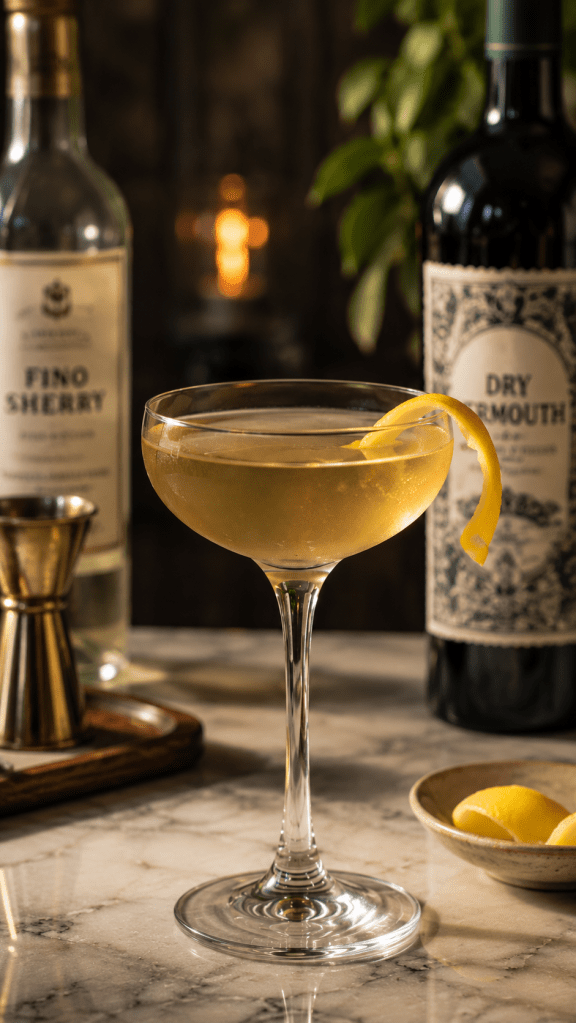
Approximate ABV: 10–12%
3. Lillet & Tonic
Simple, elegant, and refreshing.
Ingredients
- 60 ml (2 oz) Lillet Blanc
- 120 ml (4 oz) Premium Tonic Water
- Cucumber slice
- Mint sprig
Instructions
- Fill a highball glass with ice.
- Add Lillet Blanc.
- Top with tonic water.
- Stir gently.
- Garnish with cucumber and mint.
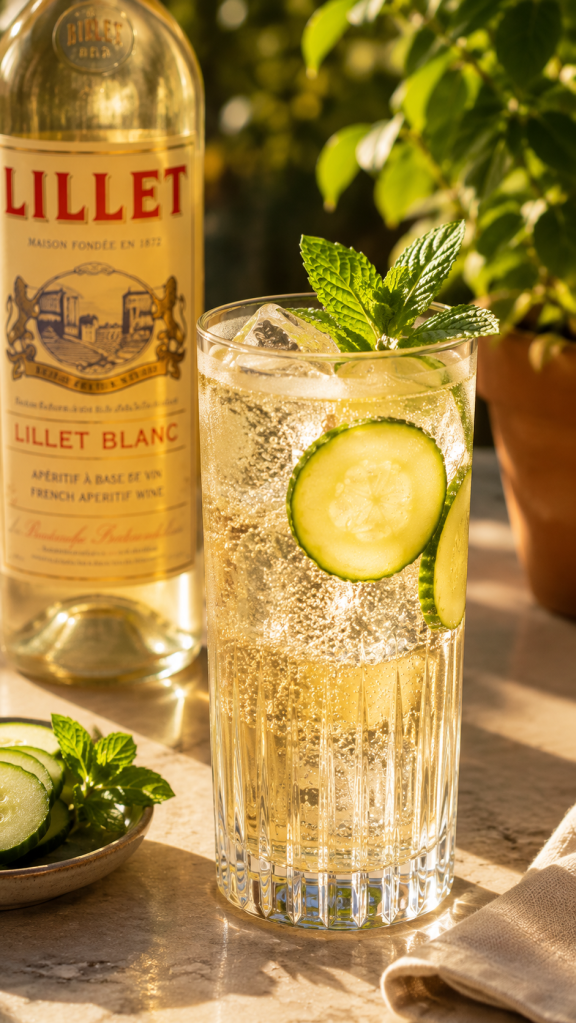
Approximate ABV: 5–7%
Tips for building a successful Low-ABV cocktail program
For bars and restaurants looking to expand their offerings, consider the following:
- Feature Low-ABV cocktails prominently on menus.
- Use premium ingredients and fresh garnishes.
- Train staff to explain the category to guests.
- Offer food pairings that complement lighter cocktails.
- Create seasonal variations using fresh herbs, fruits, and house-made infusions.
Food pairing suggestions
Low-ABV cocktails pair exceptionally well with food because their lighter alcohol content allows flavors to shine.
Excellent pairings include:
- Charcuterie boards
- Seafood appetizers
- Fresh oysters
- Grilled vegetables
- Mediterranean dishes
- Light pasta courses
- Soft cheeses
- Citrus-based desserts
The future of Low-ABV cocktails
As consumer preferences continue to evolve, Low-ABV cocktails are expected to become a permanent fixture on beverage menus worldwide. Guests increasingly value moderation, wellness, and flavor-driven experiences, making this category particularly attractive for modern hospitality operations.
Rather than replacing classic cocktails, Low-ABV drinks complement them by offering additional choices that suit different occasions and lifestyles.


Leave a Reply