
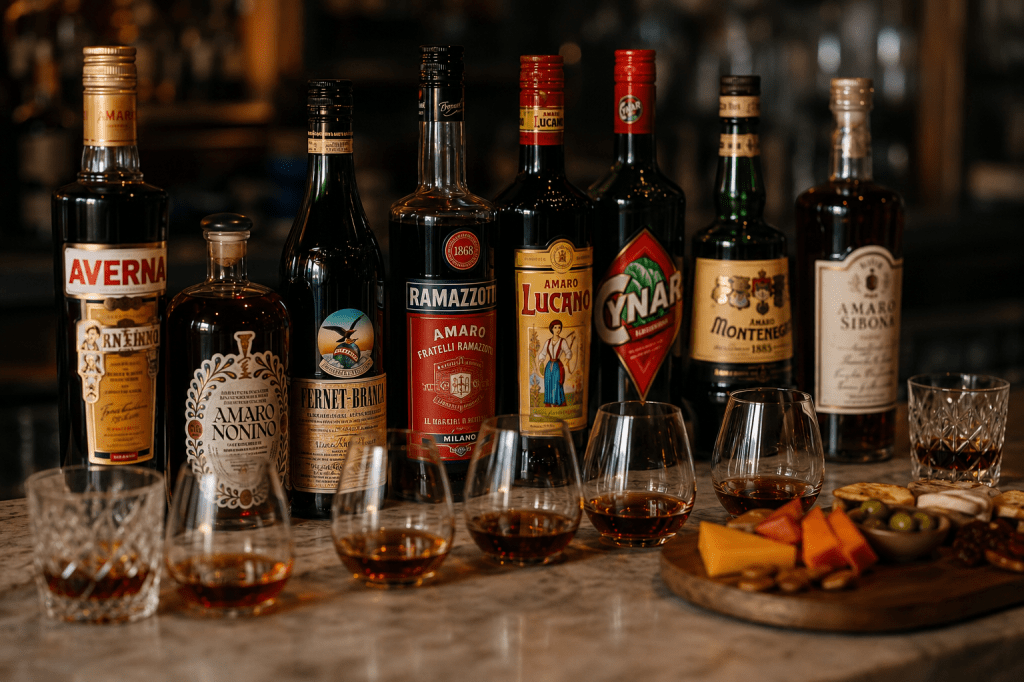
In the world of cocktails and after-dinner rituals, few categories have experienced a revival quite like amaro. Once considered an old-world digestif reserved for Italian grandfathers and dusty back bars, amaro has become one of the defining spirits of modern cocktail culture. Every year, Amaro Appreciation Day offers bartenders, restaurateurs, and spirits enthusiasts a moment to celebrate not only the complexity of these bittersweet liqueurs, but also the centuries of history behind them.
For hospitality professionals, understanding amaro is no longer optional. Guests increasingly ask for amaro flights, bitter cocktails, low-ABV aperitifs, and digestif recommendations. The category has evolved from niche curiosity into an essential component of contemporary beverage programs.
The origins of Amaro
The word “amaro” simply means “bitter” in Italian, but the story behind these spirits is far richer than the name suggests.
The roots of amaro trace back thousands of years to ancient medicinal practices. Early civilizations, including the Egyptians, Greeks, and Romans, infused herbs, roots, flowers, bark, and spices into wine or alcohol to create remedies believed to aid digestion and improve health. These botanical infusions were often prescribed by monks, apothecaries, and physicians.
During the Middle Ages, monasteries across Italy became centers of herbal experimentation. Monks cultivated medicinal gardens and developed recipes combining wormwood, gentian root, cinchona bark, rhubarb root, citrus peel, chamomile, cardamom, juniper, saffron, and dozens of other botanicals. Many of today’s amari still draw from monastic traditions.
By the 19th century, industrialization allowed these once-local medicinal tonics to become commercial products. Italian families and distilleries began producing signature amari with closely guarded recipes. Names like Ramazzotti, Averna, Fernet-Branca, Montenegro, and Cynar emerged during this era and remain foundational brands today.
Originally marketed as digestive aids, amari eventually transitioned from pharmacy shelves to café culture. Italians embraced them as after-dinner drinks, aperitifs, and social beverages tied deeply to regional identity.
A spirit defined by region
One of the most fascinating aspects of amaro is its regional diversity. Unlike categories governed by rigid production laws, amaro allows extraordinary creative freedom. Nearly every region of Italy developed its own style based on local botanicals and culinary traditions.
Northern Italian amari often feature alpine herbs, mint, pine, and resinous bitterness. Southern Italian expressions tend to lean toward citrus, spice, and warmer sweetness. Sicilian amari frequently showcase blood orange, while mountain regions emphasize earthy roots and forest botanicals.
This diversity means there is no single flavor profile for amaro. Some are intensely bitter and medicinal, while others are soft, caramelized, floral, or even chocolate-driven.
For bartenders, this creates immense versatility behind the bar. An amaro can function as:
– A digestif
– A cocktail modifier
– A substitute for vermouth
– A low-ABV base
– A bittering agent
– A dessert pairing component
Why Amaro matters in modern bar culture
The global cocktail renaissance helped propel amaro into mainstream hospitality. As bartenders rediscovered classic Italian cocktails like the Negroni, Americano, and Paper Plane, interest in bitter flavor profiles grew dramatically.
Consumers today are also more adventurous. Guests increasingly seek complexity over sweetness, and amaro satisfies that demand with layered herbal character and nuanced bitterness.
Several modern trends align perfectly with amaro’s strengths:
– Low-ABV drinking culture
– Digestive and aperitif rituals
– Botanical flavor exploration
– Food-pairing focused beverage programs
– Craft cocktail experimentation
The rise of Italian aperitivo culture internationally has further accelerated interest. Spritzes, bitter sodas, and pre-dinner cocktails now dominate many urban beverage scenes, especially during warmer months.
For restaurants, amaro presents a unique upselling opportunity. A thoughtful amaro list can increase check averages while creating memorable post-dinner experiences. Staff education is critical here. Guests often feel intimidated by amaro, but a knowledgeable server or bartender can transform hesitation into curiosity.
The evolution of Amaro cocktails
While traditionalists still prefer amaro neat or over ice, the modern cocktail movement has elevated the category in entirely new ways.
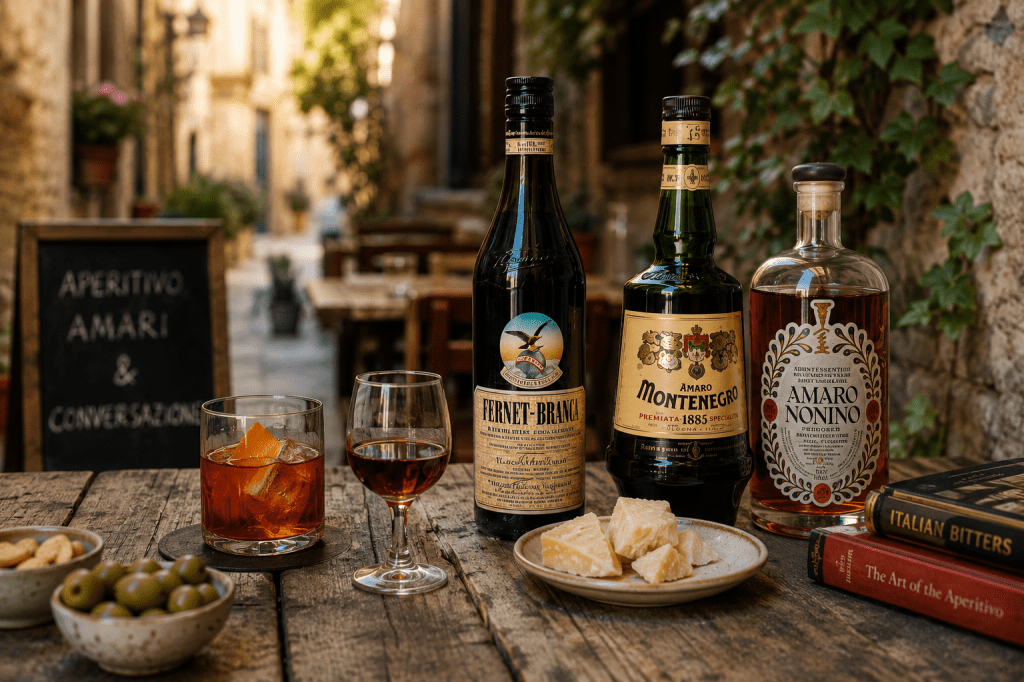
The Black Manhattan replaced vermouth with amaro, demonstrating how bittersweet herbal complexity could reshape a classic template. The Paper Plane introduced a balanced combination of bourbon, Aperol, Amaro Nonino, and citrus. Contemporary bartenders now routinely use amari in sours, highballs, stirred cocktails, and even tropical drinks.
This flexibility has encouraged bars to build entire cocktail menus around bitter liqueurs. Many establishments now feature dedicated amaro sections or tasting flights that guide guests through varying bitterness levels and botanical styles.
Amaro in Hospitality
For bars and restaurants, Amaro Day is more than a niche spirits holiday. It represents an opportunity to engage guests through storytelling, education, and experiential service.
Successful activations might include:
– Guided amaro tastings
– Regional Italian cocktail specials
– Food and amaro pairings
– Staff-led educational sessions
– Featured digestif menus
– Negroni or spritz variations
– Collaborative dinners with Italian cuisine themes
Education is especially valuable. Many consumers recognize brands like Aperol or Campari without realizing they belong to the broader family of Italian bitter liqueurs. Introducing guests to lesser-known amari can create a more elevated and memorable beverage experience. Operators should also remember that bitterness is often an acquired taste. Structuring flights progressively—from sweeter and citrus-forward styles toward more herbal or medicinal expressions—helps guests build appreciation gradually.
The future of Amaro
The category continues to evolve well beyond Italy. Craft distilleries across the United States, Europe, and Australia are now producing modern interpretations inspired by Italian traditions while incorporating local botanicals. This globalization has expanded the definition of amaro itself. Today, bartenders encounter Nordic herbal bitters, American alpine digestifs, and contemporary aperitifs that blur traditional boundaries.
Despite this innovation, authenticity and storytelling remain central to the category’s appeal. Guests are drawn not only to the flavor of amaro, but also to its cultural depth, ritualistic nature, and sense of heritage.
Amaro Day ultimately celebrates more than a drink. It honors centuries of botanical knowledge, regional craftsmanship, and hospitality traditions rooted in slowing down after a meal and sharing conversation over something bitter, complex, and deeply human. For modern hospitality professionals, amaro is no longer a trend. It is part of the evolving language of contemporary beverage culture — one that bridges old-world tradition with modern drinking sensibilities.
And perhaps that is the real beauty of amaro: beneath the bitterness lies balance, history, and connection.
 Bar and Bites Consulting
Leave a comment