
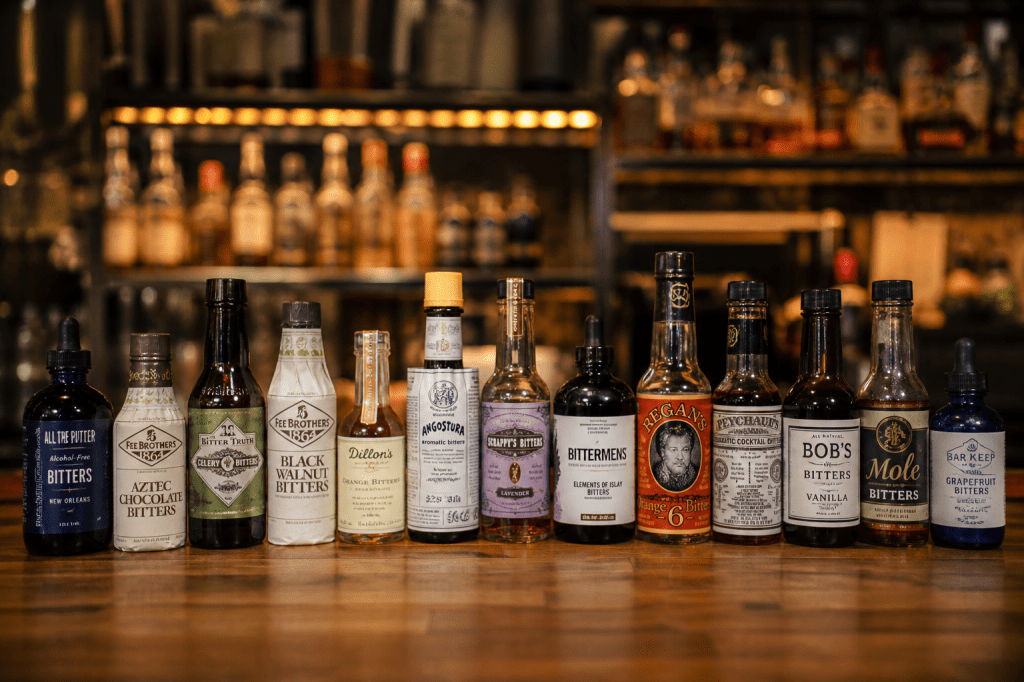
Let’s talk bitters.
You know—that tiny bottle collecting dust behind the bar. The one everyone says is “essential” but no one on staff remembers how to use.
Your bartenders might think it’s there for show, like that old bottle of Galliano in the corner. But bitters are vital. They’re the culinary equivalent of finishing salt, the last-minute addition that turns “meh” into “magnificent.”
So buckle up. Let’s take a ride through what bitters actually are, why your bar needs them, and how you can use them to level up your cocktail program so hard it’ll make your competitors cry into their flat gin and tonics.
What exactly are bitters?
Imagine if herbs, roots, bark, fruit peels, spices, and a bit of old-timey wizardry had a meeting and decided to create the most concentrated, flavor-packed potion they could. Then they said, “Let’s dissolve ourselves in high-proof alcohol!” And voilà, bitters.
They’re not meant to be consumed straight (unless you’re trying to win a terrible dare). Instead, you use drops or dashes to transform drinks. They’re small but mighty—like the Danny DeVito of the cocktail world.
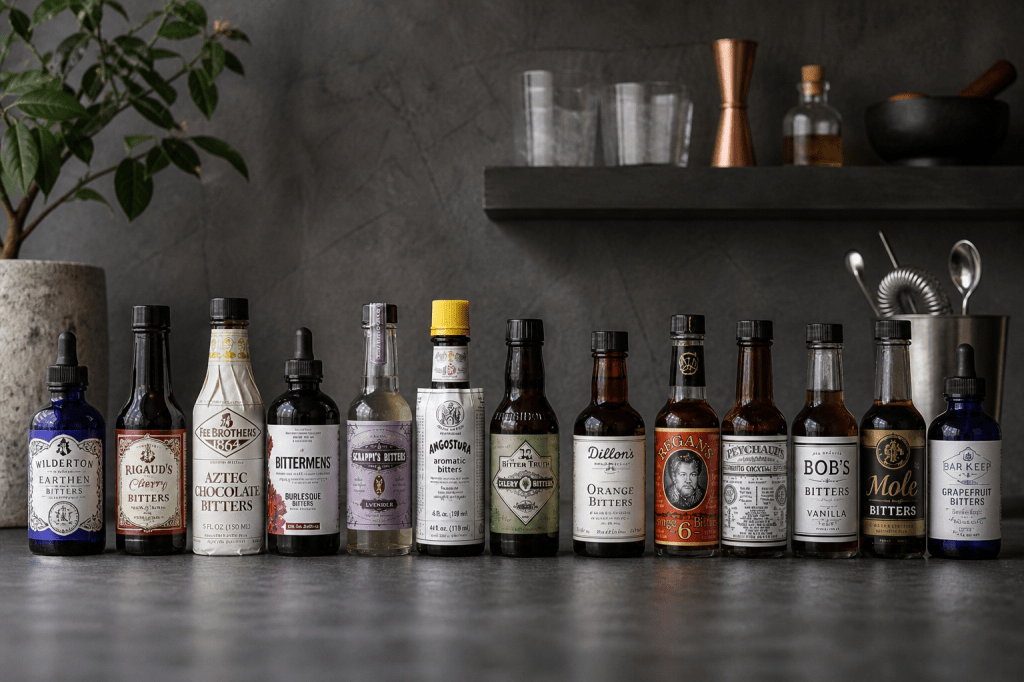
A short history of bitters
Once upon a time, bitters were medicine.
Seriously. Back in the 18th and 19th centuries, if you had anything wrong with you—indigestion, malaise, heartbreak—someone would hand you a bottle of bitters and say “here, drink this, you’ll be fine.”
They were sold in apothecaries as cure-alls. Quack medicine at its finest.
But bartenders, those clever devils, realized these herbal tonics could add insane flavor complexity to booze. Soon enough, bitters went from “doctor’s orders” to “bartender’s secret weapon.”
Fun fact: the first recorded definition of the word cocktail (in 1806) literally included bitters in the recipe. A “cocktail” was spirits, sugar, water, and bitters.
Without bitters, technically, you’re not making a cocktail—you’re just handing people spiked sugar water. And frankly, your bar is better than that.
During Prohibition in the U.S. (1920–1933), bitters companies got creative. They couldn’t sell booze outright—so they sold “medicinal tonics.” Angostura survived by marketing itself as a stomach remedy (which technically wasn’t a lie). Meanwhile, enterprising bartenders used bootleg spirits (of questionable quality) and masked the rough edges with bitters. Bitters didn’t just survive Prohibition—they thrived as the secret sauce for making bad booze taste good. So if your bartender says, “Bitters don’t matter,” remind them that bitters literally saved cocktails when everything else went to hell.
Why do bitters matter
Alright, let’s be real. It’s easy to overlook bitters. They’re small. They’re expensive. They don’t get Instagrammed like that giant smoke bubble on a Negroni.
But here’s what they do:
✅ Balance – Sweet, sour, boozy, bitter—cocktails need harmony. Bitters tame sweetness and integrate the other flavors like a referee keeping your ingredients from fighting.
✅ Complexity – Even a basic drink becomes layered. Bitters add herbal, spicy, floral, or citrus notes that develop on the palate. It’s like going from black-and-white TV to 4K Ultra HD.
✅ Aromatics – A couple of dashes can completely change the nose of a drink. A cocktail’s aroma is the first thing a guest experiences—so make it count.
✅ Consistency – Recipes with bitters help standardize your cocktails across different bartenders. No “it tasted better when Sam made it” complaints.
✅ Signature Touch – Using interesting bitters (grapefruit, coffee, chocolate, celery, tiki) lets you design a menu that’s unique to your bar. Want to stand out? This is the easy win.
The classic ones
🍂 Angostura Bitters – The OG. Aromatic, with warm baking spice notes. Old Fashioned? Manhattan? This is non-negotiable.
🌺 Peychaud’s Bitters – Floral, lighter, slightly anise-y. Essential in a Sazerac. Skip it, and risk the wrath of New Orleans ghosts.
🍊 Orange Bitters – Bright, zesty, and a must-have for a proper Martini. Yes, a real Martini. James Bond was wrong. Fight me.
And the modern ones
Bartenders these days are spoiled for choice. The craft bitters market is booming harder than the IPA trend in 2014.
You can get:
- Chocolate bitters (for dessert drinks or dark spirits)
- Grapefruit bitters (for summery gin creations)
- Coffee bitters (because everything’s better caffeinated)
- Tiki bitters (for your rum concoctions)
- Lavender bitters (for when you’re feeling fancy)
Honestly, there’s a bitter for everything. Like Pokémon, you gotta catch ’em all.
Teaching staff to use bitters
Let’s address the elephant in the room:
“Do we really need bitters on the shelf?”
Yes. Yes you do.
Training tip for managers:
1️⃣ Tasting Session – Line up several bitters and have staff taste them on a spoon or in soda water. It’s eye-opening.
2️⃣ Practical Demos – Make the same cocktail with and without bitters. Let staff see the difference. Spoiler: it’s massive.
3️⃣ Menu Integration – Challenge staff to design a new house cocktail featuring a specific bitter. Get them invested.
4️⃣ Consistent Stocking – Don’t run out. Nothing kills a cocktail menu faster than “sorry, we’re out of bitters.”
Common staff objections
🙄 “But they’re expensive!”
➡️ You use drops at a time. A single bottle can last months. It’s the cheapest way to add complexity.
🙄 “No one asks for bitters.”
➡️ They don’t have to. It’s your job to make great drinks. Customers don’t ask for salt in their food either, but imagine if the chef skipped it.
🙄 “I don’t know how to use them.”
➡️ Perfect. Teach them. That’s literally why you’re here.
How bitters can make your bar more money
Ah, so in the end you arrive interested!
Let’s get real. Your bar is a business. And bitters are good business.
✔️ Elevated cocktails = higher price point
✔️ Signature recipes = loyal, repeat customers
✔️ Skilled staff = better reviews
✔️ Lower ingredient costs (since bitters are used sparingly but add huge value)
You can charge an extra $2–$4 for a drink that has a well-designed bitters element. Multiplied over hundreds of drinks a week? That’s real revenue.
And in the end
Bitters aren’t optional. They’re foundational!
If you’re running a bar, you need to respect bitters the way you respect good ice, clean glassware, and a staff that doesn’t start bar fights.
Train your team. Stock your shelves. Experiment.
Because once you start using bitters properly, your cocktails won’t just be drinks—they’ll be experiences people talk about, post about, and come back for again and again.
Cheers from Bar&Bite Consulting!
Helping you turn your bar program from “meh” to “magnificent,” one dash at a time.
 Bar and Bites Consulting
Leave a comment