
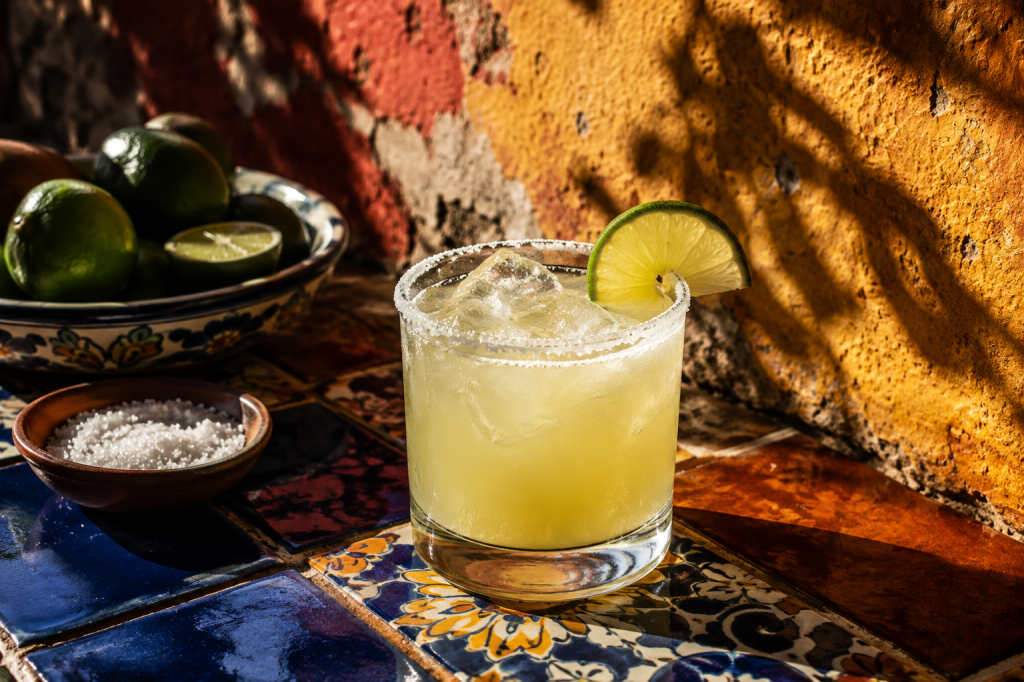
The Margarita is one of the most recognizable cocktails in the world. Bright, citrusy, and balanced between sweet, sour, and earthy notes, it has become synonymous with summer evenings, Mexican cuisine, beach resorts, and modern cocktail culture. Yet despite its global fame, the Margarita remains a relatively simple drink at its core: tequila, orange liqueur, and lime juice.
What elevates the Margarita beyond simplicity is its remarkable adaptability. It can be served shaken or frozen, spicy or fruity, smoky or floral. Bartenders continue to reinterpret it decades after its invention, while the classic recipe remains one of the most ordered cocktails in bars worldwide.
The history of the Margarita
The Margarita emerged during the mid-20th century, a period when tequila was beginning to gain popularity outside Mexico. Before the 1930s and 1940s, tequila was still largely considered a regional spirit. International drinkers were far more familiar with whiskey, gin, rum, and brandy. The Margarita played a major role in introducing tequila to American cocktail culture.
The drink belongs to the “sour” family of cocktails — a category built around spirit, citrus juice, and sweetness. Structurally, the Margarita is closely related to cocktails such as the Daiquiri and the Sidecar. In fact, many cocktail historians believe the Margarita was directly inspired by the Sidecar, replacing cognac with tequila and lemon with lime.
The rise of tourism between the United States and Mexico after Prohibition also contributed to the cocktail’s popularity. American travelers frequently visited border towns and coastal resorts, where tequila-based drinks became fashionable. By the 1950s, the Margarita had spread into upscale hotels and bars across North America. Its popularity expanded dramatically in the 1970s with the invention of the frozen Margarita machine. Restaurants began serving large batches of blended Margaritas, transforming the cocktail into a mainstream commercial success. Today, it is one of the most consumed tequila cocktails globally.
The mysterious origin of the Margarita
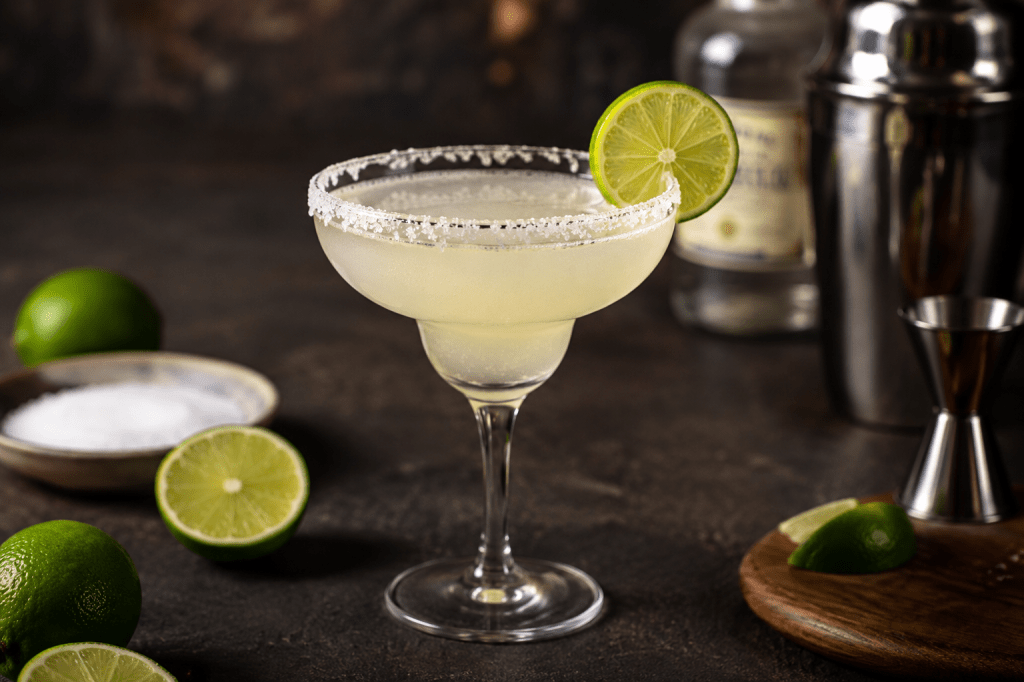
Unlike many classic cocktails with documented origins, the Margarita’s beginnings remain disputed. Multiple bartenders, socialites, and restaurateurs claimed to have invented the drink. Several stories are widely repeated, though none can be conclusively verified.
The Carlos “Danny” Herrera Story
One of the most accepted origin stories credits Carlos “Danny” Herrera, a restaurateur who supposedly created the Margarita in 1938 at Rancho La Gloria near Tijuana, Mexico. According to the story, Herrera invented the drink for a customer named Marjorie King, an actress who was allergic to most spirits except tequila. Since she disliked drinking tequila neat, Herrera combined tequila with lime and orange liqueur to make it more approachable.
This narrative is widely cited because the cocktail composition makes practical sense and aligns with bartending traditions of the era.
The Margarita Sames Story
Another famous claim involves Margarita Sames, a wealthy socialite from Dallas, Texas. She reportedly mixed the drink in 1948 during a party at her vacation home in Acapulco. Guests allegedly included influential hotelier Tommy Hilton, who later introduced the cocktail through his hotel chain. This version helped popularize the idea that the Margarita became internationally famous through luxury hospitality networks. However, historians note that tequila cocktails resembling the Margarita existed before 1948, making it unlikely that Sames truly invented the drink from scratch.
The “Daisy” Theory
Some cocktail historians argue that the Margarita evolved naturally from an older cocktail style known as the “Daisy.” In cocktail terminology, a Daisy is a sour-style drink containing spirit, citrus, and a sweetener or liqueur. The Spanish word for “daisy” is “margarita.” According to this theory, bartenders simply adapted existing Daisy recipes using tequila. This explanation is particularly convincing because many classic cocktails emerged through gradual modification rather than single moments of invention.
Why so popular?
Several factors contributed to the Margarita’s enduring success.
Balance
The Margarita achieves a near-perfect balance between acidity, sweetness, bitterness, and alcohol strength. Lime juice provides brightness, orange liqueur softens the sharp edges, and tequila contributes earthy depth.
Versatility
The recipe can be adapted almost endlessly. Bartenders can introduce fruit, herbs, spices, smoke, or different sweeteners without losing the drink’s core identity.
Cultural Association
The cocktail became closely associated with Mexican cuisine and vacation culture. Margaritas pair naturally with tacos, grilled seafood, spicy dishes, and salty snacks.
Accessibility
Unlike spirit-forward cocktails such as the Martini or Manhattan, the Margarita is approachable for casual drinkers while still respected by cocktail professionals.
The classic Margarita recipe
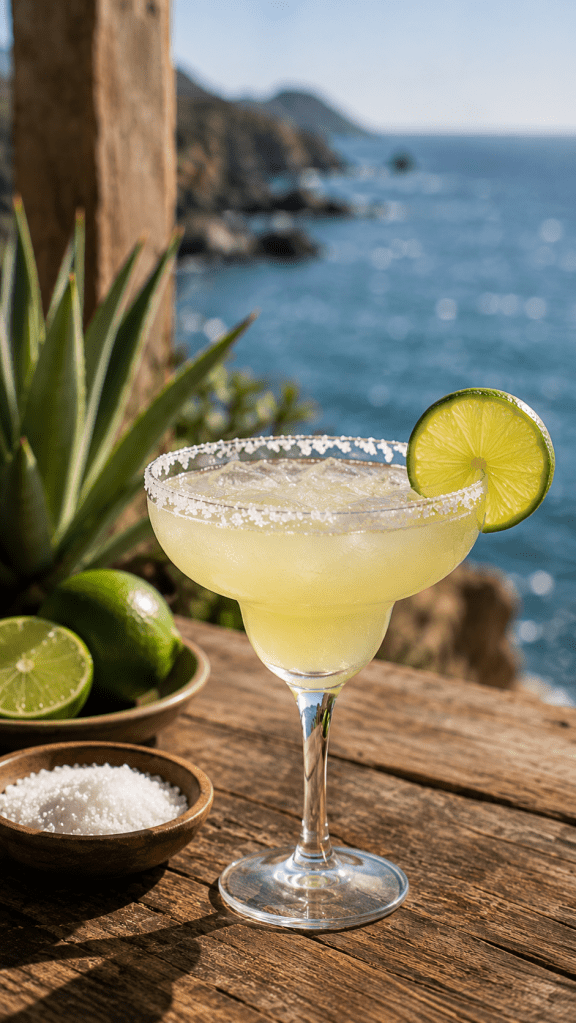
A properly made Margarita should taste fresh, crisp, and vibrant. Bottled sour mixes often overpower the tequila and reduce complexity, so fresh lime juice is strongly recommended.
Ingredients
- 50 ml/ 2 oz tequila blanco
- 25 ml/ 1 oz orange liqueur (typically triple sec or Cointreau)
- 25 ml/ 1 oz fresh lime juice
- Ice
- Salt for the rim (optional)
- Lime wheel for garnish
How to Make a Classic Margarita
- Run a lime wedge around the rim of a rocks glass or coupe glass.
- Dip the rim into coarse salt.
- Fill a cocktail shaker with ice.
- Add tequila, orange liqueur, and fresh lime juice.
- Shake vigorously for 10–15 seconds.
- Strain into the prepared glass over fresh ice.
- Garnish with a lime wheel.
A well-made Margarita should not taste excessively sweet. The lime acidity should remain prominent.
Choosing the Right Tequila
The tequila dramatically affects the final flavor profile.
Blanco Tequila
Blanco tequila is the traditional choice. It is unaged or minimally aged, producing bright agave flavors with peppery and herbal characteristics.
Reposado Tequila
Reposado tequila is aged in oak barrels for several months. It creates a smoother Margarita with vanilla and caramel undertones.
Añejo Tequila
Añejo tequila produces a richer and more whiskey-like Margarita. Some bartenders prefer it for premium or spirit-forward versions.
Salt Rim: Essential or Optional?
The salted rim is one of the Margarita’s defining features, but opinions differ regarding necessity.
Salt enhances the citrus flavors while balancing sweetness. However, excessive salt can dominate the drink. Many bartenders now prefer a “half rim,” allowing drinkers to control each sip. Alternative salts such as smoked salt, chili salt, or black lava salt are also common in modern cocktail bars.
Famous Margarita variations
1. Frozen Margarita
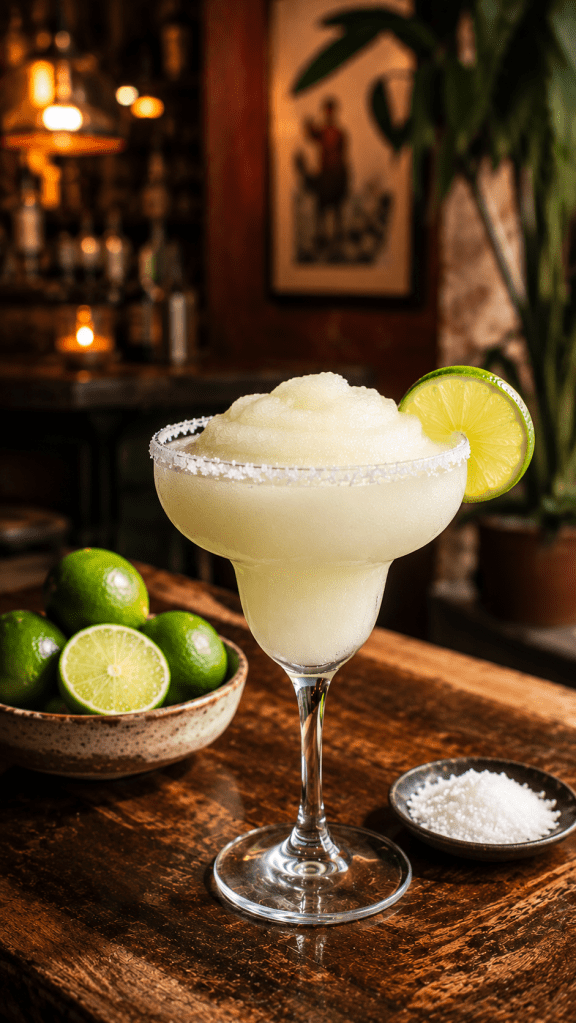
The Frozen Margarita became enormously popular in the 1970s after the invention of the frozen Margarita machine.
Characteristics
– Blended with crushed ice
– Thick, slushy texture
– Often sweeter than the classic version
– Common in restaurants and beach bars
Ingredients
- 50 ml/ 2 oz tequila
- 25 ml orange/ 1 oz liqueur
- 25 ml/1 oz lime juice
- 1 cup crushed ice
How to
- Run a lime wedge around the rim of a rocks glass or coupe glass.
- Dip the rim into coarse salt.
- Add tequila, orange liqueur, and fresh lime juice and your ice.
- Blend until smooth.
- Garnish with a lime wheel.
The Frozen Margarita helped transform the cocktail into a mass-market phenomenon.
2. Tommy’s Margarita
The Tommy’s Margarita was created in San Francisco during the 1990s at Tommy’s Mexican Restaurant. This variation removes orange liqueur entirely and replaces it with agave syrup.
Characteristics
– Cleaner agave flavor
– Less sweet
– More tequila-forward
– Highly respected in craft cocktail culture
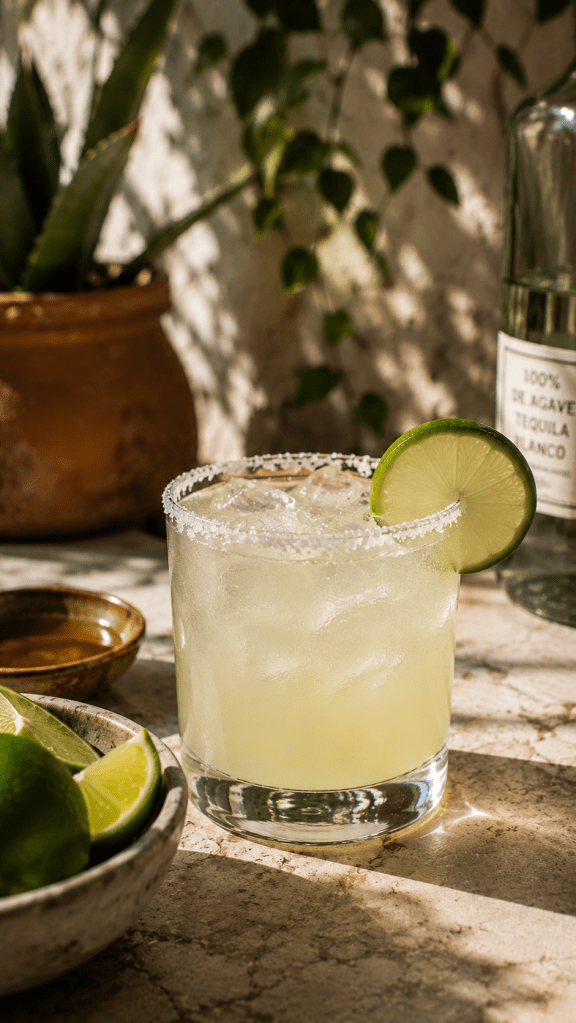
Ingredients
- 60 ml/ 2 oz tequila blanco
- 30 ml/1 oz fresh lime juice
- 15 ml/ 0.5 oz agave syrup
How to
- Run a lime wedge around the rim of a rocks glass or coupe glass.
- Dip the rim into coarse salt.
- Fill a cocktail shaker with ice.
- Add tequila, agave syrup, and fresh lime juice.
- Shake vigorously for 10–15 seconds.
- Strain into the prepared glass over fresh ice.
- Garnish with a lime wheel.
Tommy’s Margarita is now considered a modern classic.
3. Spicy Margarita
The Spicy Margarita became popular during the craft cocktail boom of the 2010s. Fresh chili peppers introduce heat that complements tequila’s peppery notes.
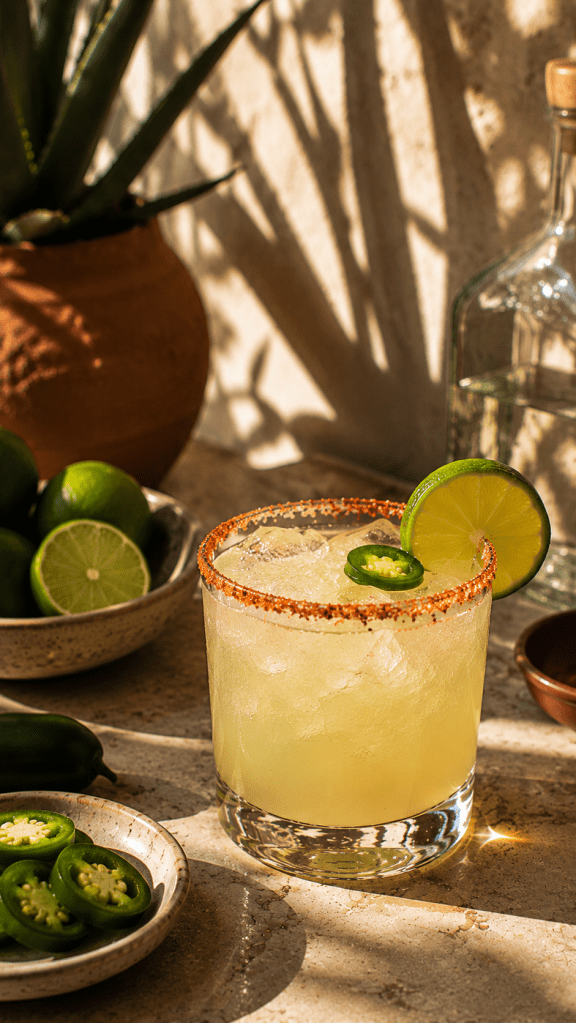
Ingredients
- 50 ml/2 oz tequila blanco
- 25 ml/1 oz orange liqueur
- 25 ml/1 oz lime juice
- 2–3 jalapeño slices
- Optional agave syrup
How to
- Run a lime wedge around the rim of a rocks glass or coupe glass.
- Dip the rim into chilli salt.
- Fill a cocktail shaker with ice.
- Add tequila, agave syrup, jalapeño slice and fresh lime juice.
- The jalapeño is typically muddled lightly before shaking.
- Shake vigorously for 10–15 seconds.
- Strain into the prepared glass over fresh ice.
- Garnish with a lime wheel and a jalapeño coin.
4. Mezcal Margarita
This variation substitutes part or all of the tequila with mezcal.
Characteristics
– Smoky aroma
– Earthier flavor
– More complex finish
– Popular in upscale cocktail bars
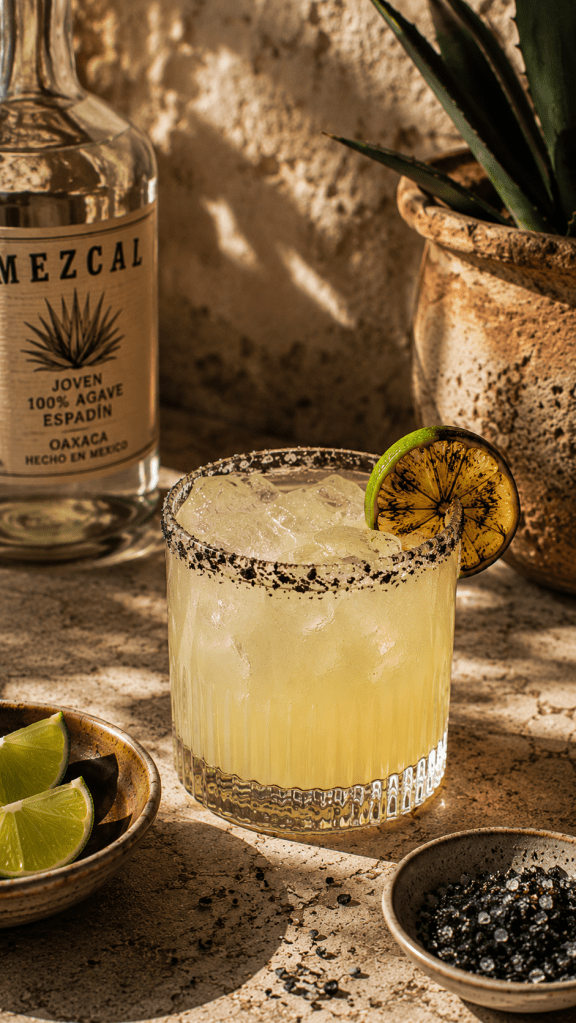
Ingredients
- 60 ml/ 2 oz mezcal
- 25 ml/ 1 oz orange liqueur
- 25 ml/ 1 oz lime juice
How to
- Run a lime wedge around the rim of a rocks glass or coupe glass.
- Dip the rim into smoked salt.
- Fill a cocktail shaker with ice.
- Add mezcal, orange liqueur, and fresh lime juice.
- Shake vigorously for 10–15 seconds.
- Strain into the prepared glass over fresh ice.
- Garnish with a charted lime wheel.
The smokiness creates a significantly more intense cocktail.
Common Margarita mistakes
Using Bottled Lime Juice
Fresh lime juice is essential. Bottled juice lacks brightness and often tastes dull or artificial.
Over-Sweetening
A Margarita should remain tart and refreshing. Excess syrup or sour mix destroys balance.
Poor Quality Tequila
Low-quality tequila can introduce harsh alcohol notes. A decent 100% agave tequila substantially improves the cocktail.
Too Much Ice in Frozen Versions
Excessive ice creates a watery drink and dilutes flavor concentration.
Margarita pairings
The acidity cuts through rich foods while the tequila complements spice and smoke. The Margarita pairs especially well with:
- Tacos
- Grilled shrimp
- Ceviche
- Guacamole
- Spicy chicken dishes
- Citrus-based seafood
- Salty snacks
Margarita in Modern cocktail culture
The Margarita remains central to contemporary bartending. While many classic cocktails faded in and out of fashion, the Margarita maintained continuous popularity.
Modern bars frequently experiment with:
- Seasonal fruits
- Smoked ingredients
- Herbal infusions
- Exotic salts
- Clarified citrus
- Barrel-aged tequila
Despite endless experimentation, the classic structure remains remarkably resilient. This is one reason the Margarita is often regarded as one of the greatest cocktails ever created. Its simplicity allows creativity, while its balance keeps it timeless.
The Margarita is more than a tequila cocktail. It represents a convergence of Mexican spirits, American cocktail culture, postwar tourism, and modern mixology. Its exact inventor may remain unknown, but its influence is undeniable.
 Bar and Bites Consulting
Leave a comment