
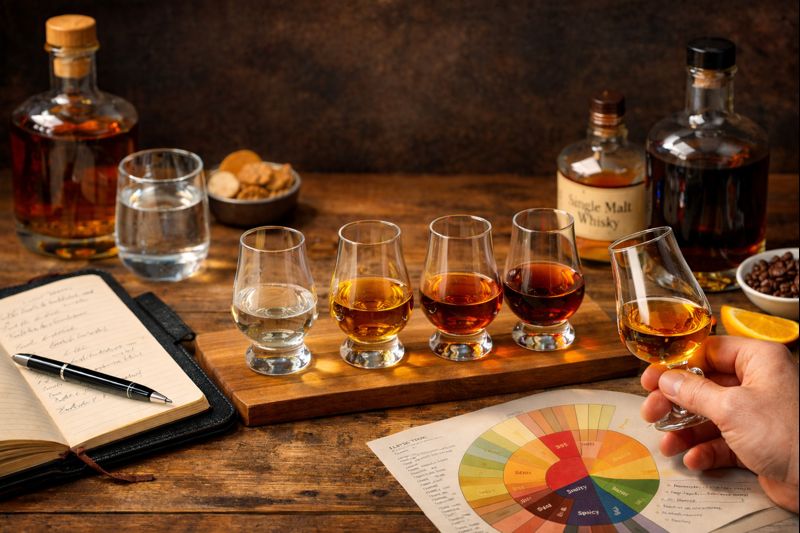
Whiskey History Day is an occasion to examine how a simple combination of grain, water, yeast, and time became one of the world’s most influential spirits. The story of whiskey is inseparable from migration, trade, agriculture, and law. From monastic still rooms to modern distilleries, whiskey reflects regional identity as much as technique.
A concise history of whiskey
Distillation reached Europe through Arabic alchemical knowledge between the 8th and 12th centuries. Early practitioners distilled wine into aqua vitae (“water of life”), a medicinal spirit. As the practice moved north into grain-growing regions, wine was replaced by barley, rye, and other cereals. By the late Middle Ages, distilled grain spirits were established in Ireland and Scotland.
Written records from the late 1400s reference uisce beatha in Ireland and aqua vitae in Scotland. Over time, pronunciation shortened and anglicized into “whiskey” and “whisky.” Taxation and regulation shaped production profoundly. In Scotland, high taxes in the 18th century encouraged illicit distilling, which indirectly refined techniques and regional styles. Legalization and the Excise Act of 1823 helped formalize the modern Scotch industry.
In North America, whiskey followed settlers westward. Abundant corn led to the development of bourbon and Tennessee whiskey. The Whiskey Rebellion of the 1790s demonstrated the political significance of the spirit in early United States history. The 19th and 20th centuries saw industrialization, followed by disruption during Prohibition, and later consolidation.
Japan entered the whiskey world in the early 20th century by studying Scottish methods, then adapting them to local climate and aesthetics. Canada developed a lighter, blended style driven by rye. Today, whiskey is produced globally, but a handful of regions remain foundational.
Major types of whiskey and where they come from
Scotch whisky — Scotland
Primarily made from malted barley (single malt) or a mix of grains (blended), typically distilled twice and aged in oak casks for a minimum of three years. Regional styles—Islay, Speyside, Highlands, Lowlands, Campbeltown—reflect differences in peat use, climate, and tradition.
Irish whiskey — Ireland
Usually triple-distilled, contributing to a lighter, smoother profile. Styles include single malt, single pot still (a distinctive mix of malted and unmalted barley), grain, and blends.
American whiskey — United States
Defined by mash bills and legal standards. Bourbon must be at least 51% corn and aged in new charred oak. Rye whiskey emphasizes rye grain. Tennessee whiskey adds charcoal filtration before aging.
Canadian whisky — Canada
Often blended, with a reputation for smoothness. Rye plays a significant role in flavor even when not dominant in the mash bill.
Japanese whisky — Japan
Modeled initially on Scotch production, with meticulous blending and a focus on balance. Climate variation accelerates maturation and influences character.
Cocktails by region
Scotland (Scotch whisky)
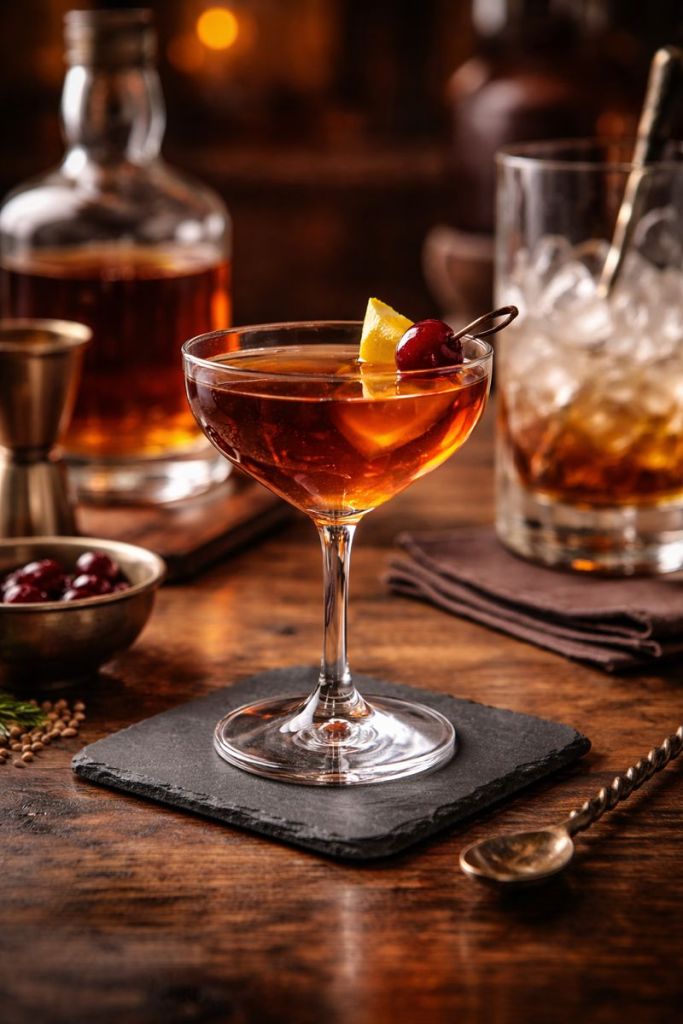
Rob Roy
Ingredients
– 2 oz Scotch whisky
– 1 oz sweet vermouth
– 2 dashes Angostura bitters
– Garnish: lemon twist or maraschino cherry
Method
Add whisky, vermouth, and bitters to a mixing glass filled with ice. Stir until well chilled and properly diluted. Strain into a chilled coupe or Nick & Nora glass. Express lemon oil over the surface if using a twist, then garnish.
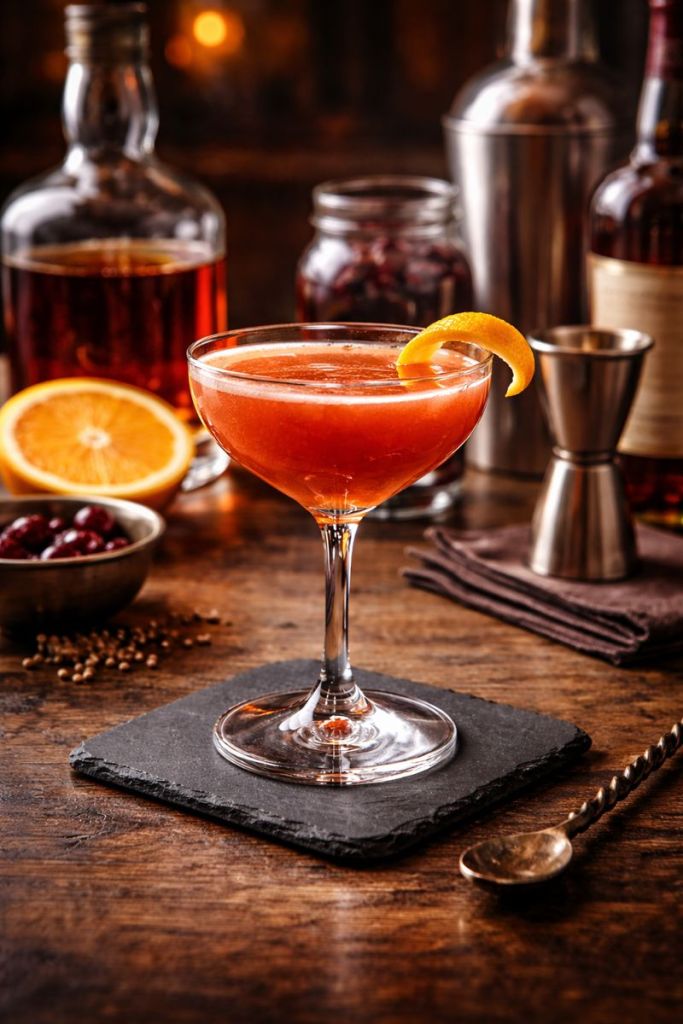
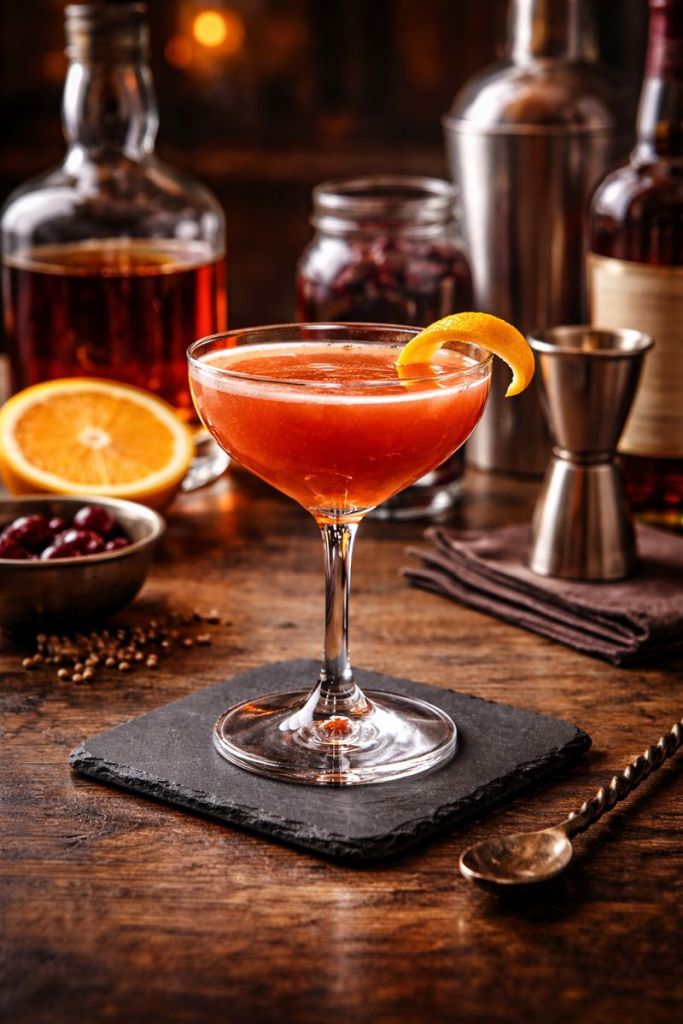
Blood and Sand
Ingredients
– ¾ oz Scotch whisky
– ¾ oz sweet vermouth
– ¾ oz cherry liqueur (Cherry Heering preferred)
– ¾ oz fresh orange juice
Method
Add all ingredients to a shaker with ice. Shake briefly but firmly. Strain into a chilled coupe glass. No garnish is traditional.
Ireland (Irish whiskey)
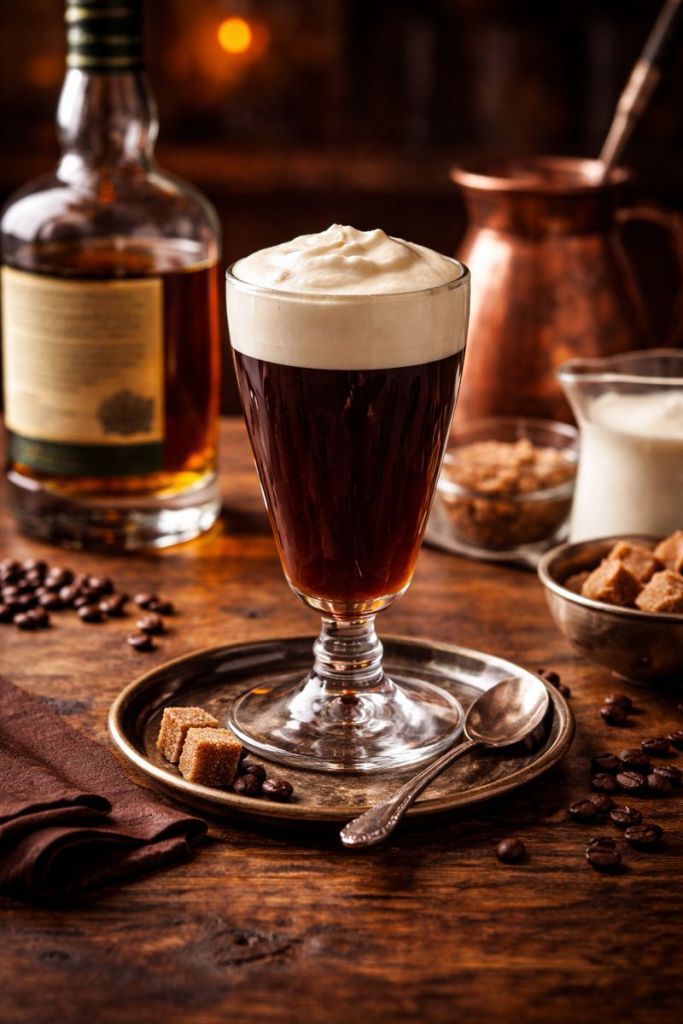
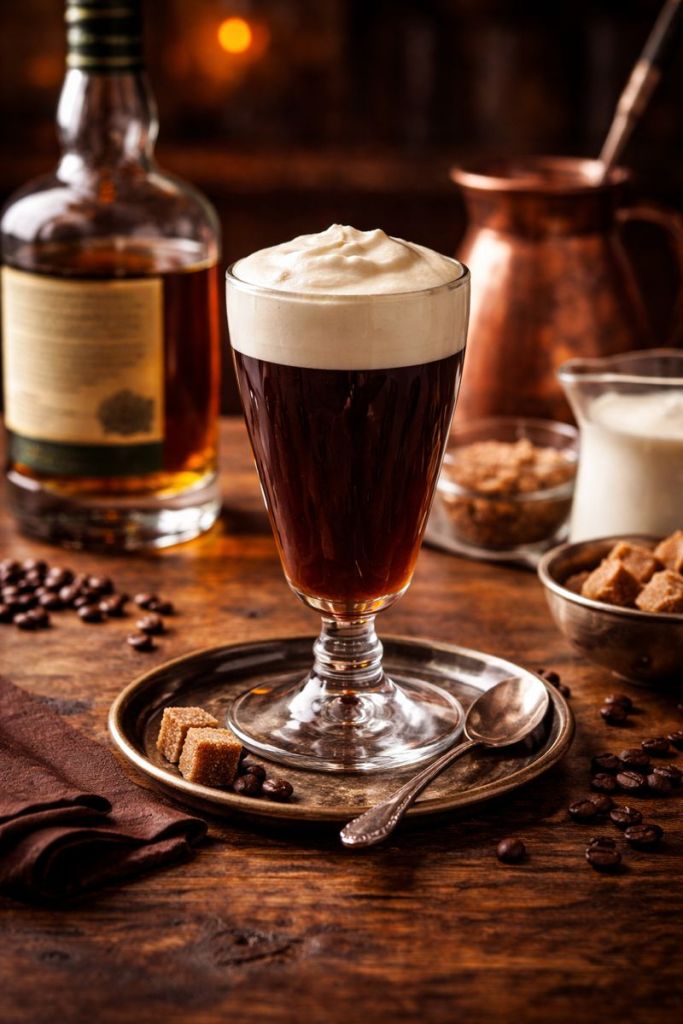
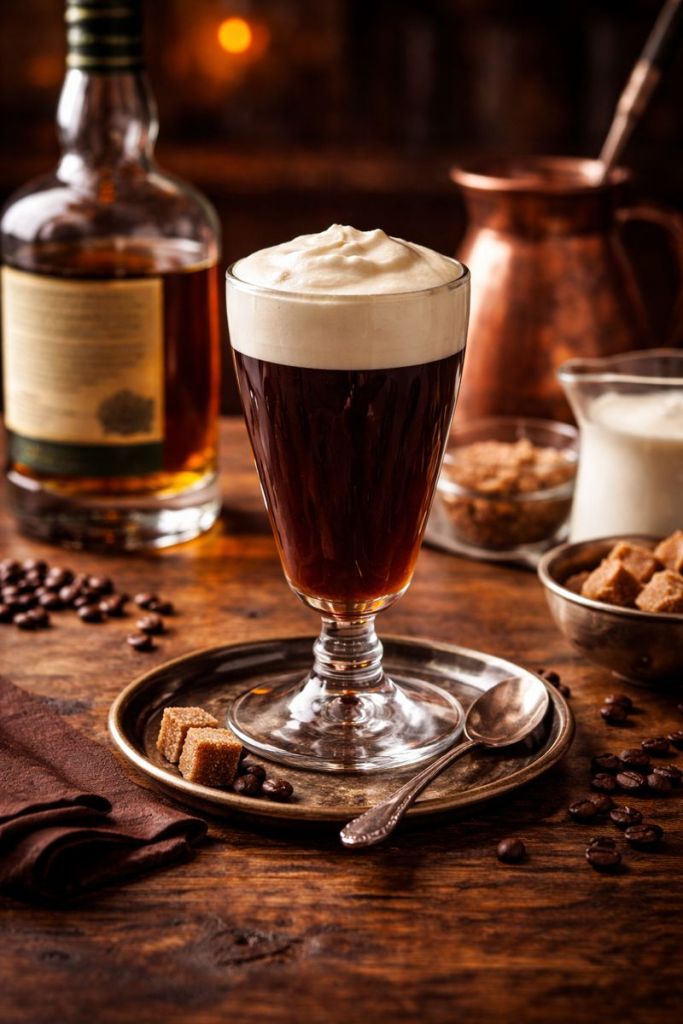
Irish Coffee
Ingredients
– 1½ oz Irish whiskey
– 3 oz hot brewed coffee
– 1–2 teaspoons brown sugar (to taste)
– Lightly whipped fresh cream
Method
Warm a heatproof glass. Add sugar and coffee, stirring until dissolved. Add whiskey and stir gently. Float lightly whipped cream on top by pouring it over the back of a spoon. Do not stir after adding cream.
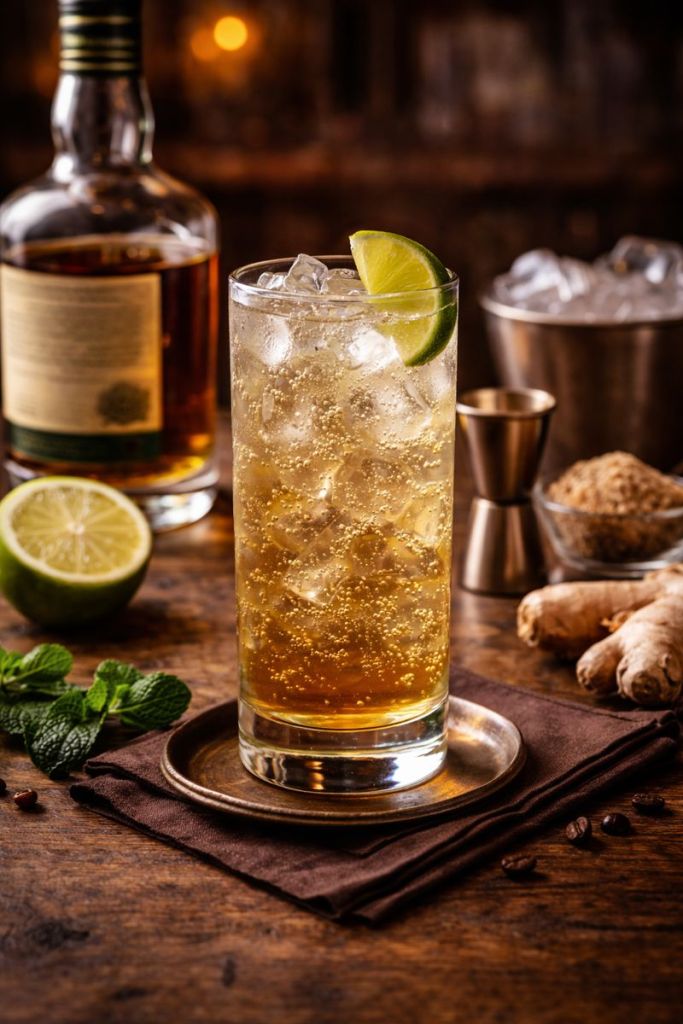
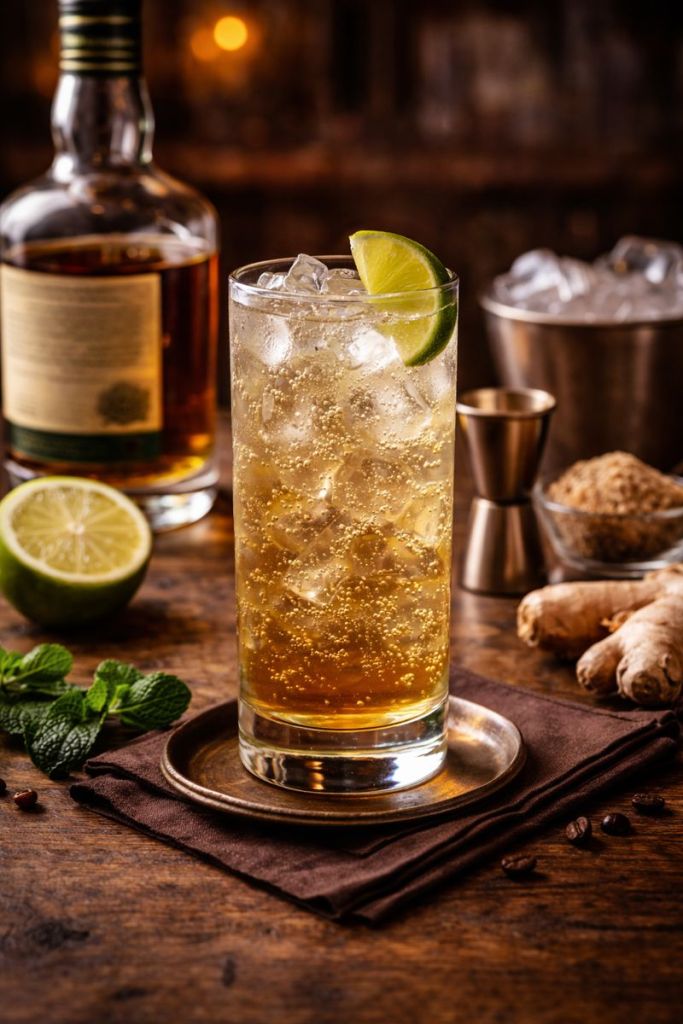
Irish Buck
Ingredients
– 1¾ oz Irish whiskey
– 4 oz ginger ale
– ⅓ oz fresh lime juice
– Garnish: lime wedge
Method
Build directly in a highball glass filled with ice. Add whiskey and lime juice, top with ginger ale, and gently stir. Garnish with a lime wedge.
United States (bourbon or rye whiskey)
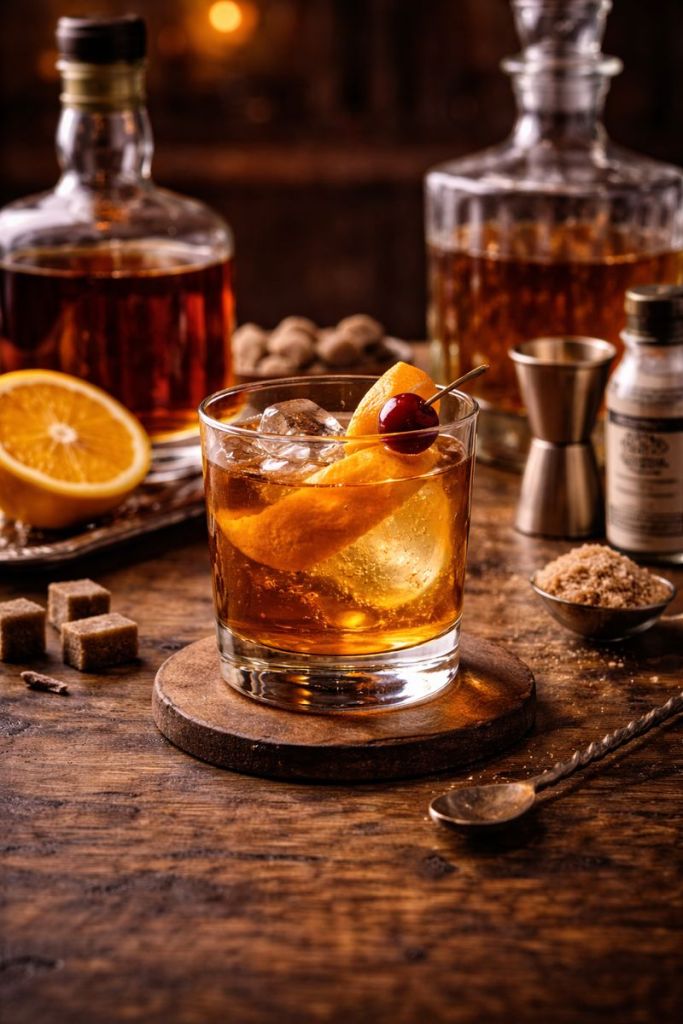
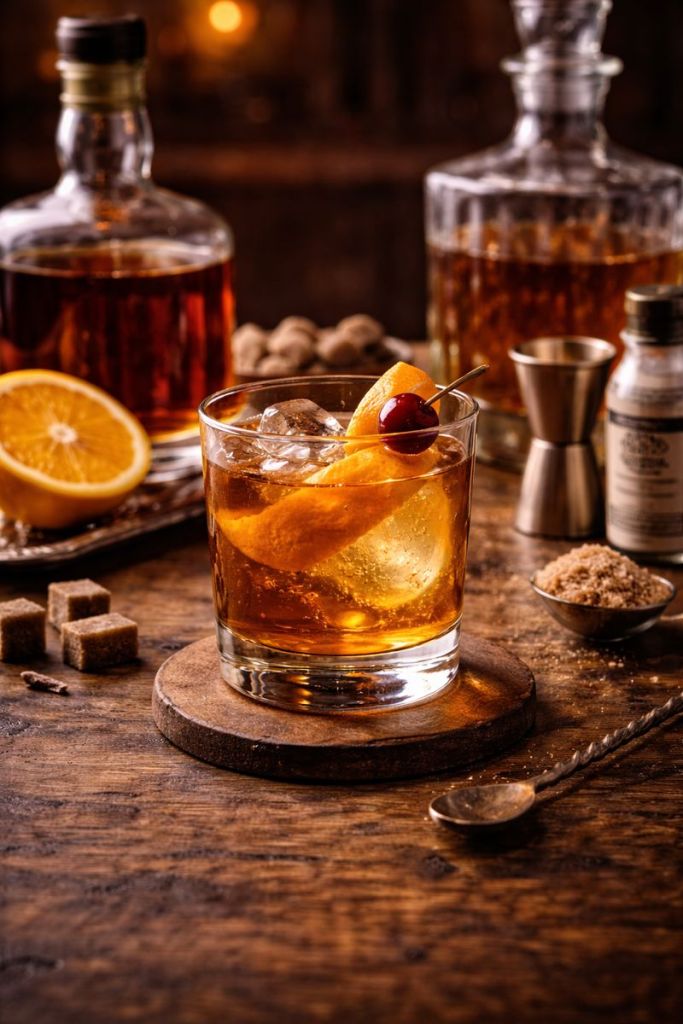
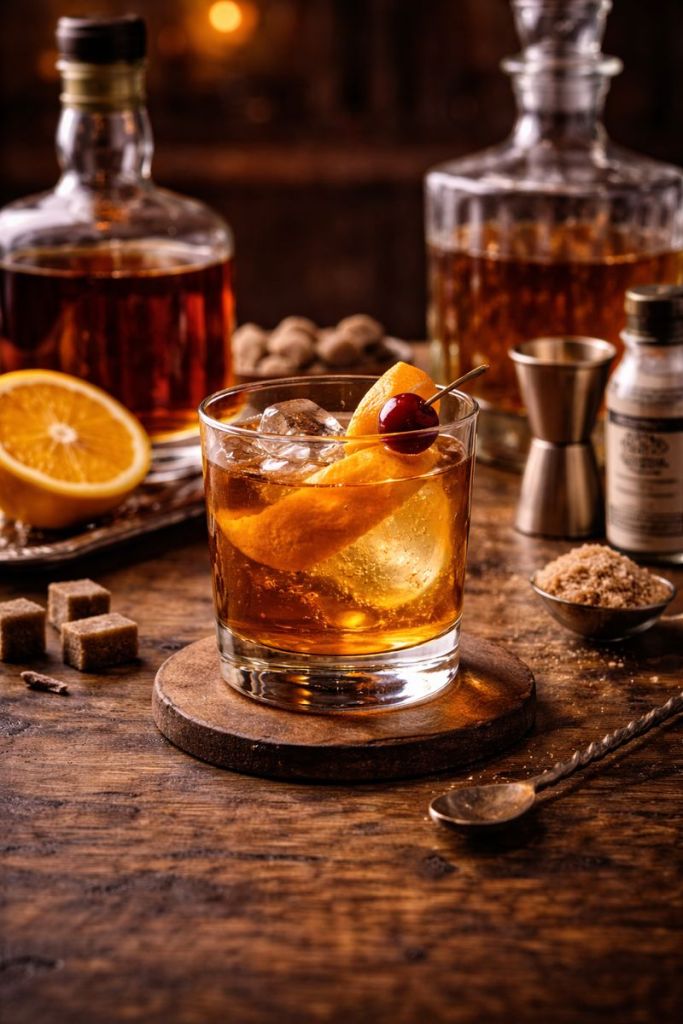
Old Fashioned
Ingredients
– 2 oz bourbon or rye whiskey
– ¼ oz simple syrup or 1 sugar cube
– 2–3 dashes Angostura bitters
– Garnish: orange peel
Method
If using a sugar cube, place it in a rocks glass with bitters and a small splash of water; muddle until dissolved. Add ice and whiskey. Stir gently to combine. Express orange peel oils over the drink and garnish.
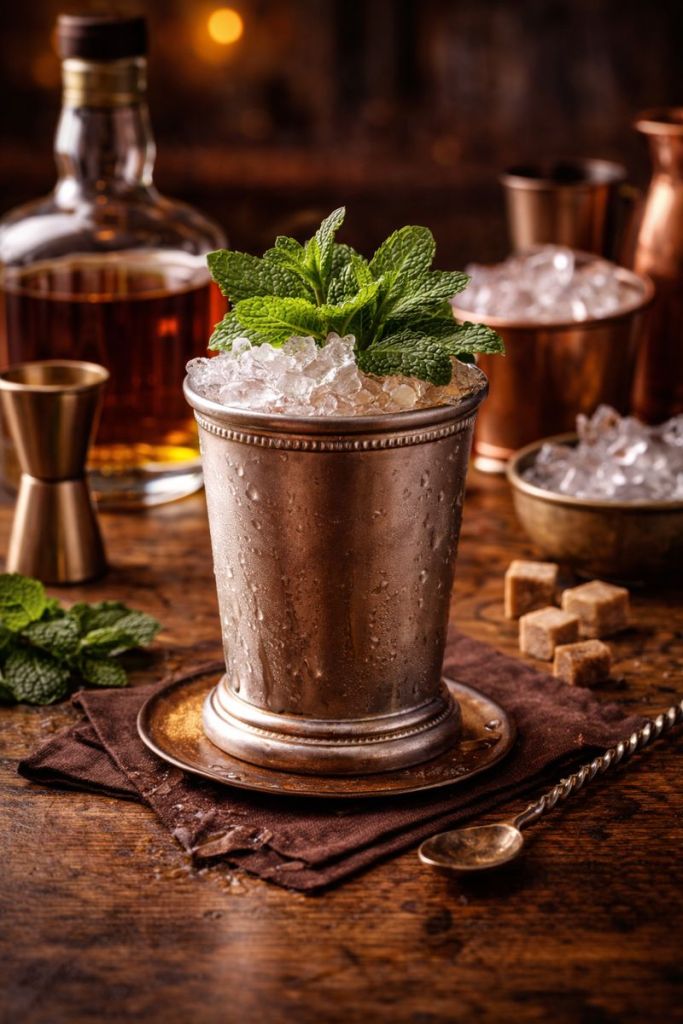
Mint Julep
Ingredients
– 2 oz bourbon
– ⅓ oz simple syrup
– 8–10 fresh mint leaves
– Garnish: mint bouquet
Method
Lightly muddle mint and syrup in a julep cup or rocks glass. Fill the glass completely with crushed ice. Add bourbon and stir until the outside of the glass frosts. Top with more crushed ice and garnish generously with mint.
Canada (Canadian whisky)
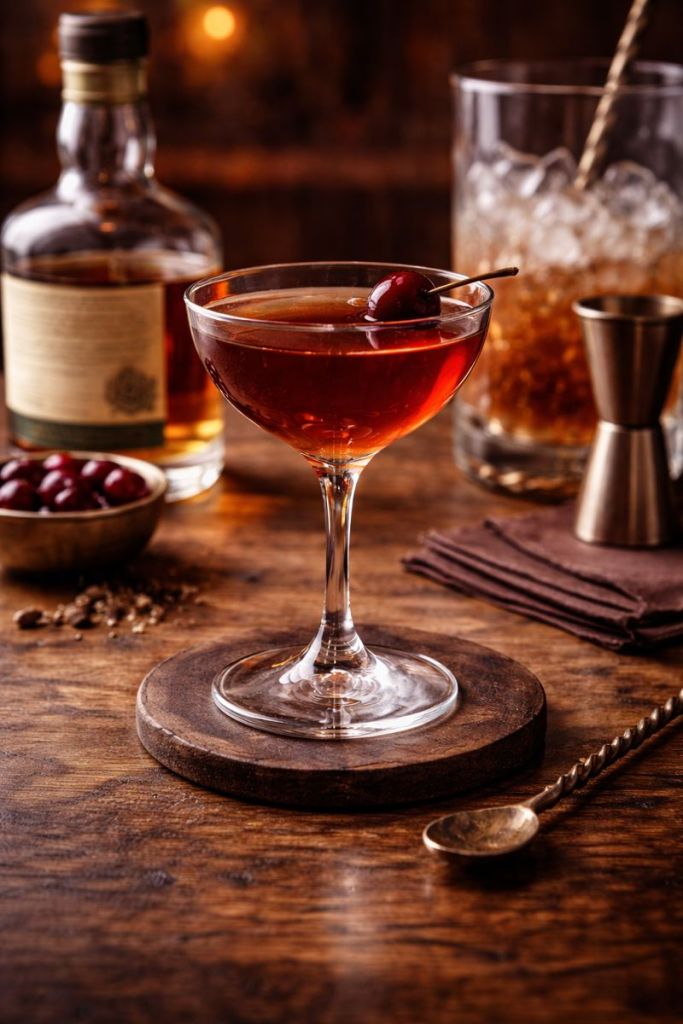
Canadian Manhattan
Ingredients
– 2 oz Canadian whisky
– 1 oz sweet vermouth
– 2 dashes aromatic bitters
– Garnish: maraschino cherry
Method
Stir all ingredients with ice in a mixing glass until chilled. Strain into a chilled coupe or martini glass. Garnish with a cherry.
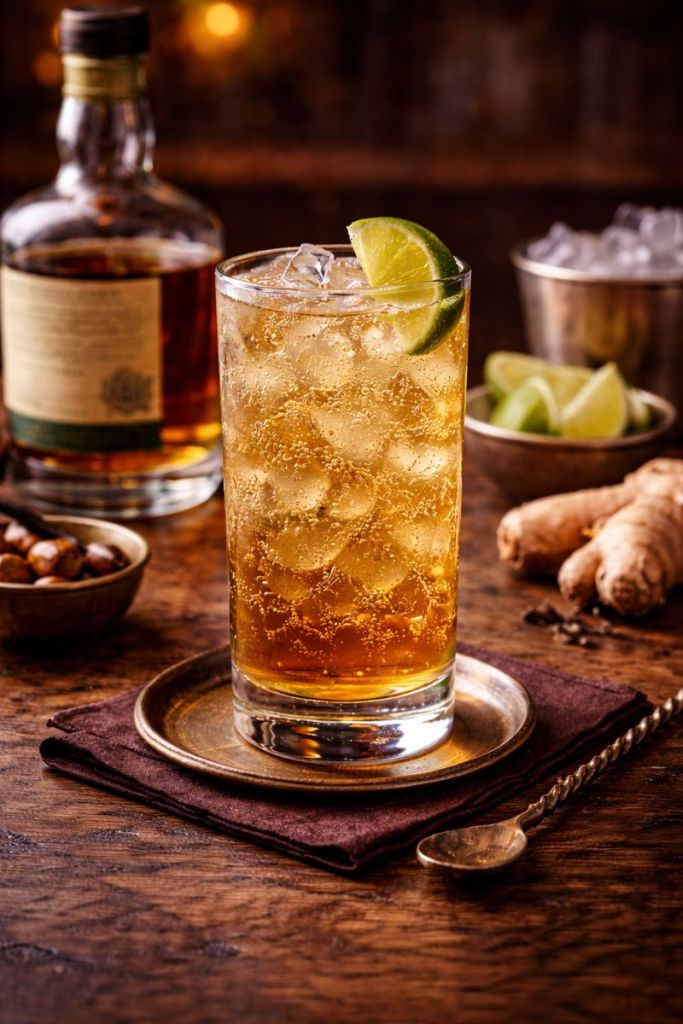
Whisky Ginger
Ingredients
– 1¾ oz Canadian whisky
– 4–5 oz ginger ale
– Garnish: lemon or lime wedge
Method
Build in a highball glass filled with ice. Add whisky, top with ginger ale, and gently stir. Garnish with citrus.
Japan (Japanese whisky)
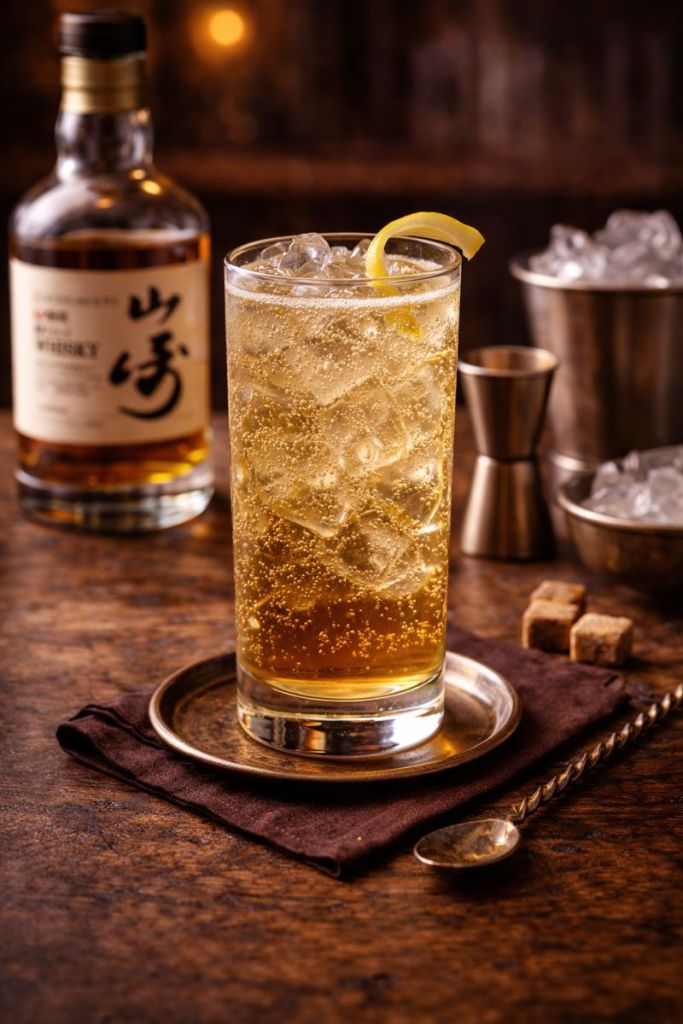
Japanese Highball
Ingredients
– 1½ oz Japanese whisky
– 4 oz chilled soda water
– Large, clear ice cubes
– Garnish: lemon peel (optional)
Method
Chill a highball glass thoroughly. Add ice and whisky, stirring briefly to chill. Top carefully with soda water to preserve carbonation. Give one gentle stir. Garnish lightly or serve ungarnished.
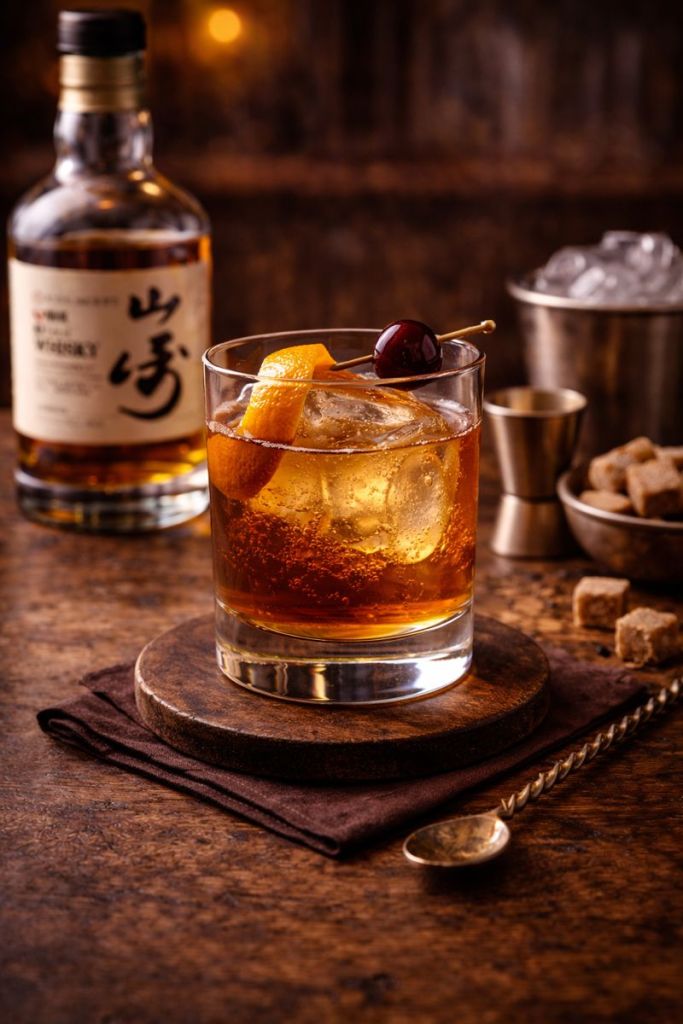
Japanese Old Fashioned
Ingredients
– 2 oz Japanese whisky
– ¼ oz simple syrup
– 2 dashes aromatic bitters
– Garnish: thin citrus peel
Method
Add all ingredients to a mixing glass with ice. Stir until well chilled and diluted. Strain over a large ice cube in a rocks glass. Garnish with citrus peel.
 Bar and Bites Consulting
Leave a comment