
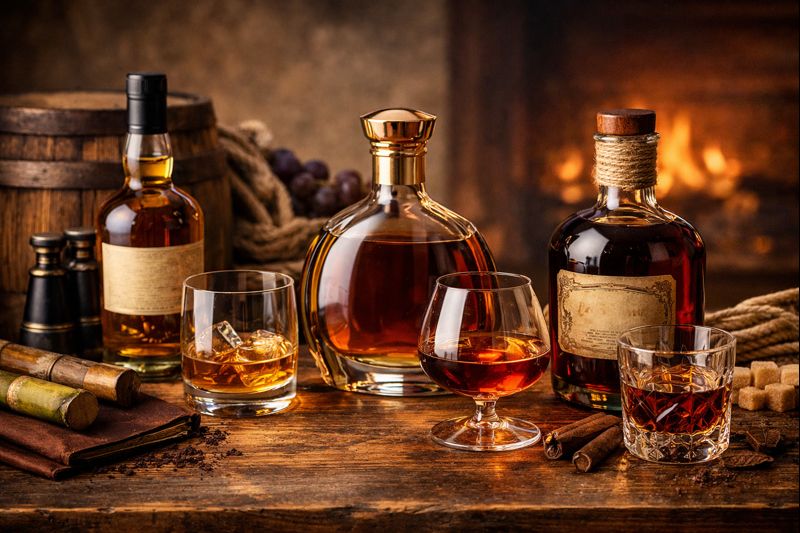
Slow Sipping Day is not about indulgence or excess. It is about intention, awareness, and appreciation. In a culture that often prioritizes speed and convenience, slow sipping stands as a quiet counterpoint. It encourages drinkers to engage with what is in the glass—its aroma, texture, evolution, and story. Certain liquors are especially suited to this approach because they are shaped by time, tradition, and careful craftsmanship. Single malt Scotch whisky, Cognac, and aged rum are three such spirits, each offering a rich drinking experience and a history that unfolds just as gradually as their flavors.
Single Malt Scotch Whisky: A Spirit Shaped by Place and Time
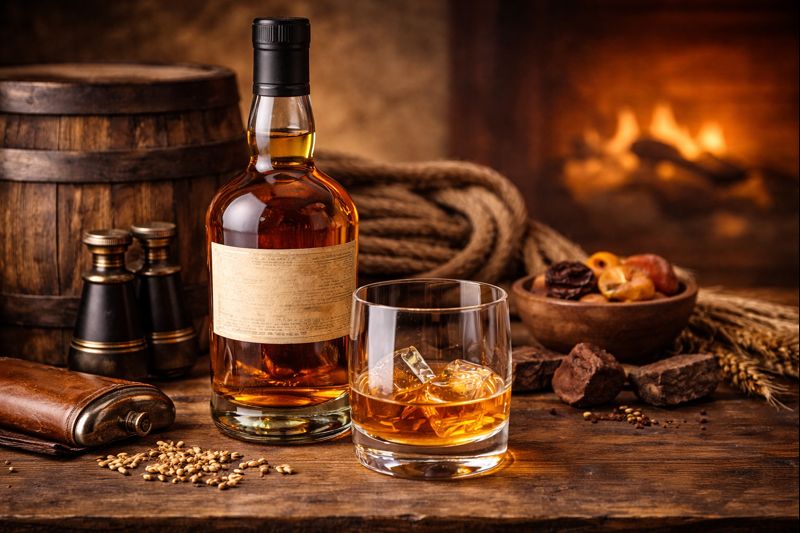
Single malt Scotch whisky is often considered the benchmark for slow sipping. Made from only malted barley, water, and yeast, and produced at a single distillery, it reflects both strict regulation and deep regional identity. The whisky must be aged in oak casks in Scotland for a minimum of three years, though most respected expressions are matured far longer.
The origins of Scotch whisky trace back to at least 1494, when Scottish tax records mentioned malt being delivered to a friar to produce aqua vitae. Early whisky was likely unaged and far harsher than modern versions, but it was valued for warmth, preservation, and medicinal use. Over centuries, distillers refined techniques, experimenting with copper pot stills, fermentation times, and barrel aging.
An interesting historical turning point came in 1823 with the Excise Act, which made legal distillation more accessible and reduced illicit production. This shift helped establish the foundations of modern Scotch whisky. Regional styles also emerged—peaty and maritime whiskies from Islay, lighter and fruit-forward profiles from the Speyside region, and robust, dry expressions from the Highlands.
One notable fact is that much of a whisky’s character comes from its barrel. Former bourbon, sherry, or wine casks impart flavors that develop slowly over years. During aging, some whisky evaporates through the barrel, a loss known as the “angel’s share.” This natural evaporation is another reason Scotch whisky is so well suited for slow sipping: what remains is concentrated, deliberate, and irreplaceable.
Cognac: Distilled Wine and Centuries of Refinement
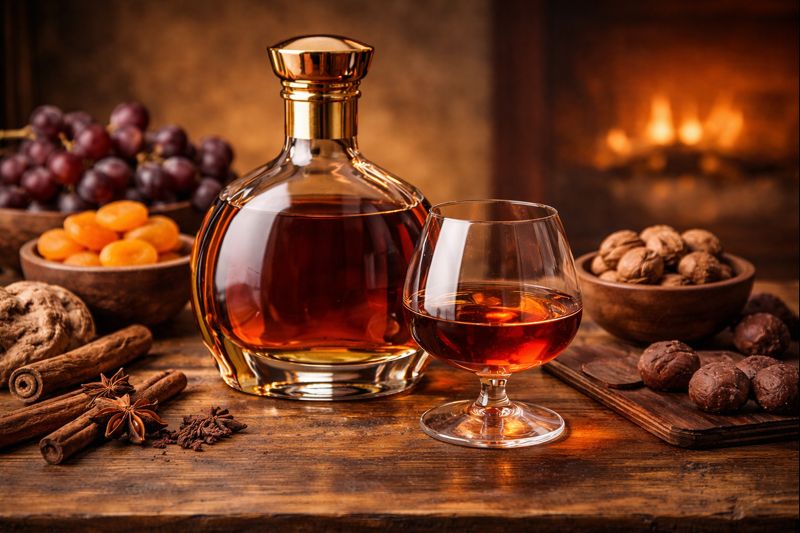
Cognac represents patience and elegance in liquid form. As a type of brandy, it begins as wine made from specific grape varieties, primarily Ugni Blanc. This wine is distilled twice in traditional copper stills and then aged in French oak barrels sourced mainly from the Limousin and Tronçais forests.
The region of Cognac began distilling wine in the 16th century largely out of necessity. Dutch merchants, who traded extensively along the Charente River, found that distilling wine made it easier to transport and preserve. Over time, producers discovered that redistilling the spirit and aging it in oak dramatically improved its quality.
By the 18th century, Cognac had become a luxury export, favored by European royalty and aristocracy. Houses such as Hennessy, founded by an Irish officer in 1765, helped establish global trade networks. Interestingly, Cognac was one of the first spirits to be marketed internationally with a consistent brand identity.
A key historical detail is Cognac’s classification system, which revolves entirely around aging. VS indicates a minimum of two years in oak, VSOP at least four, and XO now requires a minimum of ten years. However, many Cognacs far exceed these requirements, with eaux-de-vie blended from spirits aged several decades.
One lesser-known fact is that older Cognacs are sometimes transferred to glass demijohns, called bonbonnes, to halt aging while preserving the spirit. These stored reserves, known as “paradis,” are guarded carefully and used sparingly. When sipping Cognac slowly, the drinker is experiencing layers of time—grape harvests, barrel choices, and blending decisions made across generations.
Aged Rum: From Maritime Staple to Sipping Spirit
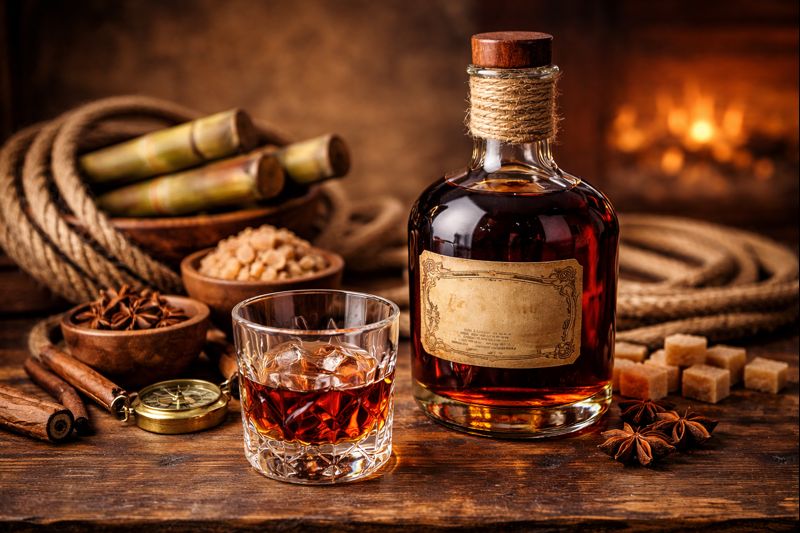
Rum’s history is deeply intertwined with global trade, colonization, and maritime culture. First produced in the Caribbean during the 17th century, rum originated as a byproduct of sugar production. Early rum was often rough and potent, valued more for availability than refinement.
Rum quickly became a central part of naval life. The British Royal Navy issued daily rum rations to sailors for centuries, a practice that lasted until 1970. This association cemented rum’s reputation as a working-class or utilitarian spirit. However, behind this image, rum producers were quietly developing aging and blending techniques that rivaled those of whisky and brandy.
As rum matured in oak barrels—often previously used for bourbon—it took on deeper complexity. Tropical climates accelerated aging, increasing interaction between spirit and wood. This rapid maturation creates intense flavors but also results in significant evaporation, meaning aged rum is both rare and precious.
Different regions developed distinct styles. Jamaican rums became known for their bold, ester-rich profiles. Barbados focused on balance and elegance. In Martinique, producers created rhum agricole, distilled from fresh sugarcane juice rather than molasses, offering a drier and more aromatic style.
An interesting fact is that some aged rums are solera-aged, meaning younger and older rums are blended continuously to achieve consistency and depth. When enjoyed slowly, aged rum reveals layers of vanilla, spice, dried fruit, and oak that challenge outdated assumptions about the spirit.
Why These Spirits Belong to Slow Sipping Day
Single malt Scotch whisky, Cognac, and aged rum share a common thread: they are shaped by time more than by trend. Their histories include centuries of trial, error, regulation, and refinement. They are not designed for speed or distraction. Instead, they reward curiosity, patience, and focus.
Slow Sipping Day is an opportunity to reconnect with that philosophy. By pouring thoughtfully and sipping deliberately, the drinker honors not only the spirit in the glass but also the generations of distillers, coopers, and blenders who understood that some things cannot be rushed.
 Bar and Bites Consulting
Leave a comment