
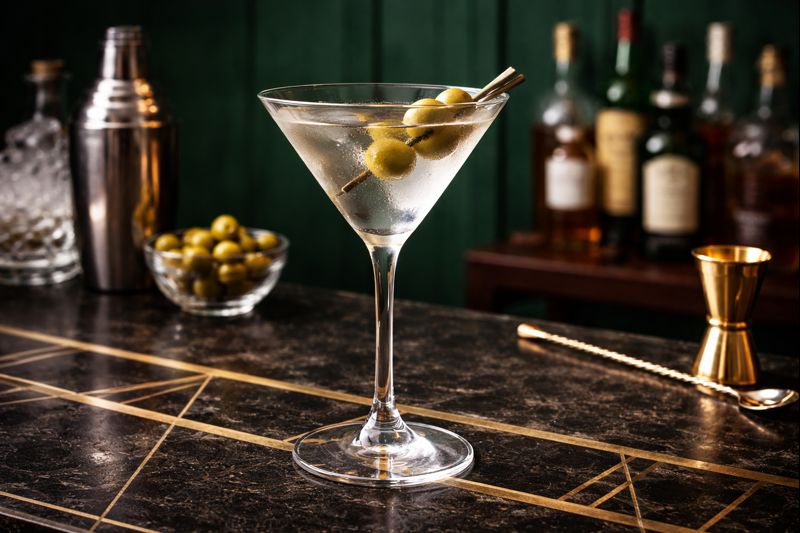
More Than Just a Cocktail
The martini isn’t just a drink — it’s an icon.
From the smoky bars of 1920s New York to rooftop lounges today, the martini has endured because it’s not just alcohol — it’s an experience.
But with so much lore around it — gin vs vodka, shaken vs stirred, dirty vs dry — it’s easy to feel intimidated.
Don’t be.
Making a perfect martini is surprisingly simple once you understand the basics. And after today, you’ll be able to whip one up like a seasoned pro.
A Brief History: The Origins of the Martini
Like many classic cocktails, the exact origin of the martini is a little murky. Some say it started as the Martinez, served in California during the Gold Rush era — a sweeter, more aromatic drink made with Old Tom gin and sweet vermouth. Others point to the popularity of Martini & Rossi vermouth as the source of the name.
By the early 1900s, the drink had evolved into a drier, sharper cocktail, favouring London dry gin and dry vermouth. In the roaring 1920s, when Prohibition made good liquor scarce, martinis became even drier to mask poor-quality alcohol.
By the mid-century, the martini had become the drink for movie stars, businessmen and politicians alike. Presidents, writers and “spies” all claimed it as their own.
Fun Fact:
Franklin D. Roosevelt mixed martinis for guests at the White House during Prohibition repeal celebrations. He wasn’t particularly good at it, but enthusiasm counts.
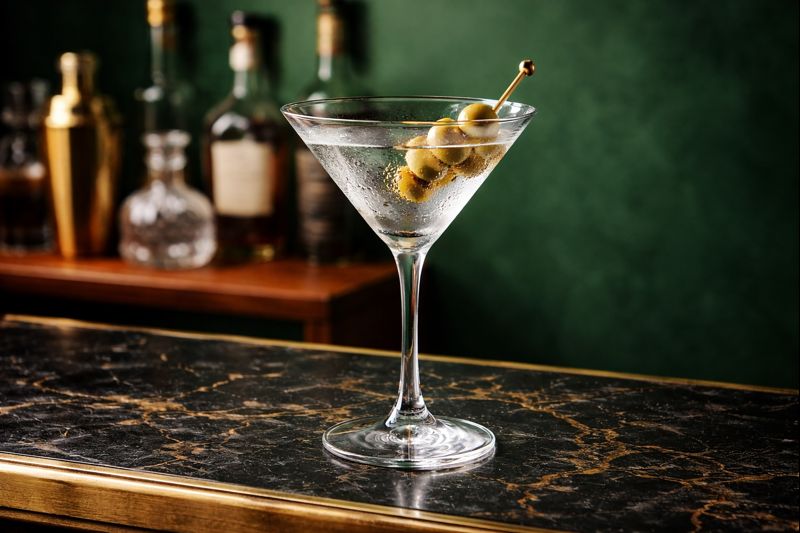
Step 1: Assemble Your Arsenal
Making a martini is like dressing for a black-tie event: Details matter.
The Ingredients
- Gin or Vodka: High-quality is non-negotiable.
- Dry Vermouth: Fresh is key; vermouth goes stale quickly.
- Ice: Big, clear cubes are ideal.
- Garnish: Olives, lemon twists, cocktail onions, or even caper berries for the daring.
The Tools
- Mixing Glass or Shaker
- Bar Spoon (for stirring)
- Strainer
- Jigger (for precise measuring)
- Chilled Martini Glass (coupe or V-shaped)
Prep Step
Chill your glass in the freezer. A warm martini is a crime and should be punished.
Step 2: Gin or Vodka? Know Thy Spirit
Your choice of base spirit defines your martini.
- Gin Martini: Classic. Botanical. Complex. The layers of herbs, flowers and spices create a nuanced experience.
- Vodka Martini: Clean. Crisp. Smooth. It highlights the vermouth more and offers a purer canvas for garnishes.
Gin = Character.
Vodka = Minimalism.
If you’re unsure, start with gin — that’s where the martini was born.
Step 3: Vermouth: The Unsung Hero
Vermouth is a fortified wine, meaning it’s delicate.
Opened vermouth should be refrigerated and used within a month.
- Standard Dry Martini: 2½ oz gin, ½ oz dry vermouth.
- Extra Dry Martini: 2½ oz gin, a few drops of vermouth.
- Wet Martini: More vermouth, up to a 1:1 ratio for a softer, more aromatic drink.
Pro Tip: Try different vermouth brands! Each one brings its own flavour.
Step 4: Shaken vs Stirred: Choose Your Path
Stirred Martini
- Add gin/vodka and vermouth to ice.
- Stir gently for 30-45 seconds.
- Result: Clear, smooth, elegant.
Shaken Martini
- Add gin/vodka and vermouth to ice in a shaker.
- Shake vigorously for 10-15 seconds.
- Result: Cloudy, very cold, tiny ice crystals.
Science Note: Stirring minimises oxygen and prevents bruising delicate spirits. Shaking makes it colder faster but changes the texture. (And yes, Bond shook his martinis because it fit his rebellious character — not because it’s technically “better.”)
Step 5: Strain and Serve Like a Pro
Use a Hawthorne strainer (the one with the little spring) to neatly pour the cocktail into your chilled glass.
No drips. No mess.
Style points: unlocked.
Step 6: Garnish: Small Touch, Big Flavour
The Classics
- Olive: Adds briny, savoury notes.
- Lemon Twist: Brightens the cocktail with a zingy oil mist.
Adventurous Options
- Pickled Onion: Creates a Gibson Martini — savoury, sophisticated.
- Caper Berry: Bold, briny, slightly floral — an epic garnish for experienced martini drinkers.
Pro Garnish Tip
If using a lemon twist, squeeze it over the glass first to release the essential oils, then drop it in.
Step 7: Sip, Don’t Slam
A martini is a contemplative drink. It’s not meant to be chugged between bites of nachos.
Take a small sip, let the cold bite fade into the complex flavors of the spirit and vermouth.
Take another.
Now you understand why people write novels about this drink.
Advanced Tips: Level Up Your Martini Game
- Rinse Technique: Coat the glass with vermouth, then discard excess. Leaves just a whisper.
- Reverse Martini: More vermouth than gin for a lighter, aperitif-style drink.
- Savory Twists: Add a drop of olive oil for silkiness. Or a dash of bitters for complexity.
Regional Twists on the Martini
The French Martini
- Vodka, Chambord (raspberry liqueur), pineapple juice.
- Sweet, fruity, flirty — the opposite of dry gin martinis.
The Gibson
- Gin or vodka, dry vermouth, pickled onion.
- Retro and sophisticated.
The Vesper
- 3 parts gin, 1 part vodka, ½ part Lillet Blanc.
- Invented by Ian Fleming for James Bond. Stronger and slightly sweeter than classic martinis.
“A perfect martini should be made by filling a glass with gin, then waving it in the general direction of Italy.”
— Noël Coward
Troubleshooting: Martini Problems and How to Fix Them
| Problem | Solution |
| Too watery | Stir for a shorter time or use bigger ice cubes. |
| Too strong | Add a touch more vermouth. |
| Bitter taste | Use a smoother gin or fresh vermouth. |
| Lukewarm | Chill everything: the spirit, the glass, even the mixing tools. |
Mastery in a Glass
A perfect martini isn’t just about technique — it’s about attention. About style. About the small details that make the ordinary feel extraordinary.
Next time you mix one up, take pride in the ritual: the cool swirl of ice, the clean splash of spirit, the glint of lemon oil, the first shivering sip. You’re not just making a drink — you’re making a memory.
Cheers to you. 🍸
 Bar and Bites Consulting
Leave a comment