
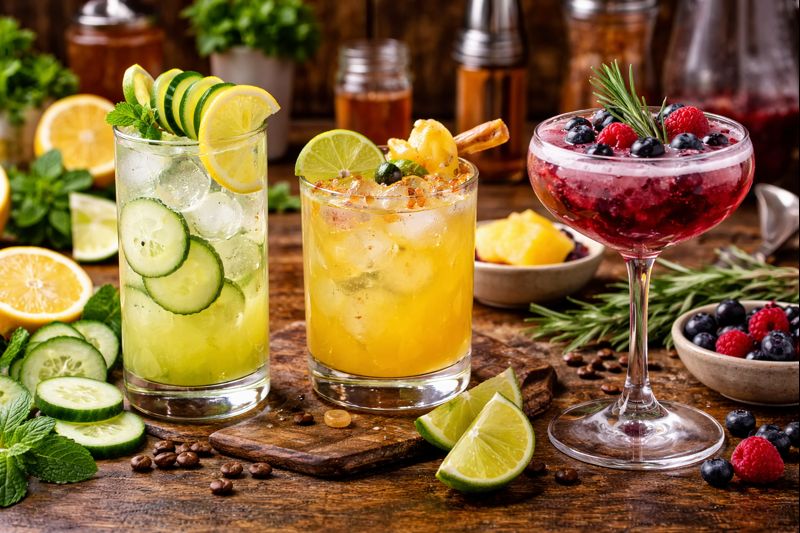
Mocktail Creativity Day is a celebration of drinks that deliver flavor, balance, and presentation—without alcohol. Once treated as an afterthought, mocktails have evolved into a serious category of beverage service, appreciated by non-drinkers, mindful drinkers, and professionals who understand that hospitality should be inclusive. Today, a well-made mocktail is not a compromise; it is a deliberate, crafted experience.
A brief history of mocktails
Non-alcoholic mixed drinks are not a modern invention. In the late 19th and early 20th centuries, temperance movements in the United States encouraged the creation of “soft cocktails,” which used juices, syrups, spices, and soda water to mimic the structure of alcoholic drinks. When Prohibition began in 1920, these beverages became even more common, as bars and social clubs searched for ways to maintain ritual and social interaction without spirits.
After Prohibition ended, mocktails faded into the background. For decades, non-drinkers were offered limited options—often just soda, juice, or overly sweet blends. The perception shifted in the 2000s as craft cocktail culture raised standards across the bar. Bartenders began applying the same techniques—balance, dilution, aroma, garnish—to alcohol-free drinks. At the same time, wellness culture, sober-curious lifestyles, and inclusive hospitality drove demand for thoughtful non-alcoholic options.
Today, mocktails are a core part of modern beverage programs, not a side note.
Why mocktails matter
Mocktails serve a wider purpose than simply removing alcohol. They allow everyone at the table to participate equally in the social experience. For guests who are driving, pregnant, abstaining, or pacing themselves, a well-designed mocktail offers the same sense of care and intention as a cocktail.
From a hospitality perspective, mocktails:
• Increase menu inclusivity
• Improve guest satisfaction and retention
• Create premium non-alcoholic sales opportunities
• Elevate the perception of the entire drink program
Most importantly, mocktails demonstrate that flavor and creativity are not dependent on alcohol.
What makes a great mocktail
A successful mocktail follows the same structural principles as a cocktail:
• Balance between sweet, sour, bitter, and texture
• Fresh ingredients
• Proper dilution and temperature
• Thoughtful garnish and presentation
Rather than “substituting” alcohol, great mocktails are built from the ground up with juice, tea, herbs, spices, bitters (non-alcoholic), shrubs, and carbonation.
Three mocktail recipe ideas
Below are three easy, flavorful mocktails designed to be approachable while still feeling elevated. All measurements are listed in ounces.
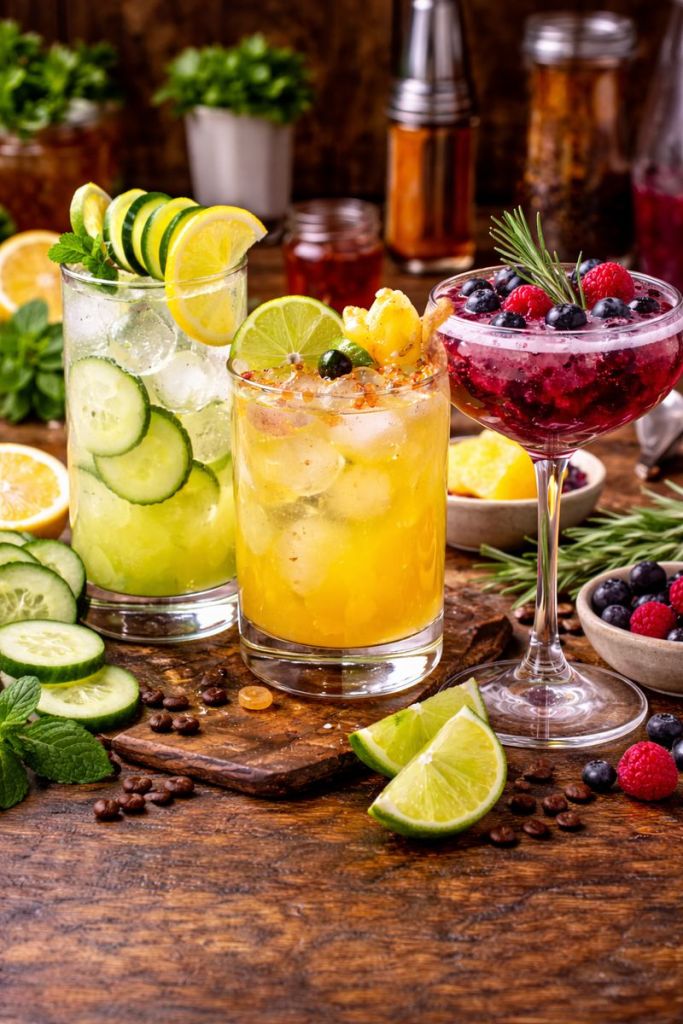
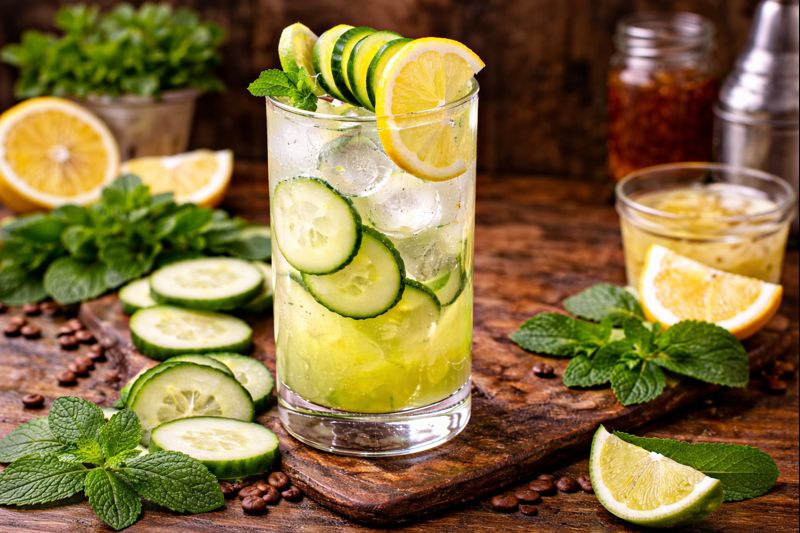
1. Cucumber Citrus Spritz
Bright, refreshing, and lightly herbal, this drink works well as a welcome mocktail or afternoon refresher.
Ingredients
• 2.5 oz fresh cucumber juice
• 1.5 oz fresh lemon juice
• 1 oz simple syrup
• 3 oz soda water
Method
Add cucumber juice, lemon juice, and simple syrup to a shaker with ice. Shake briefly to chill. Strain into a tall glass filled with fresh ice. Top with soda water and gently stir. Garnish with a cucumber ribbon or lemon whee.
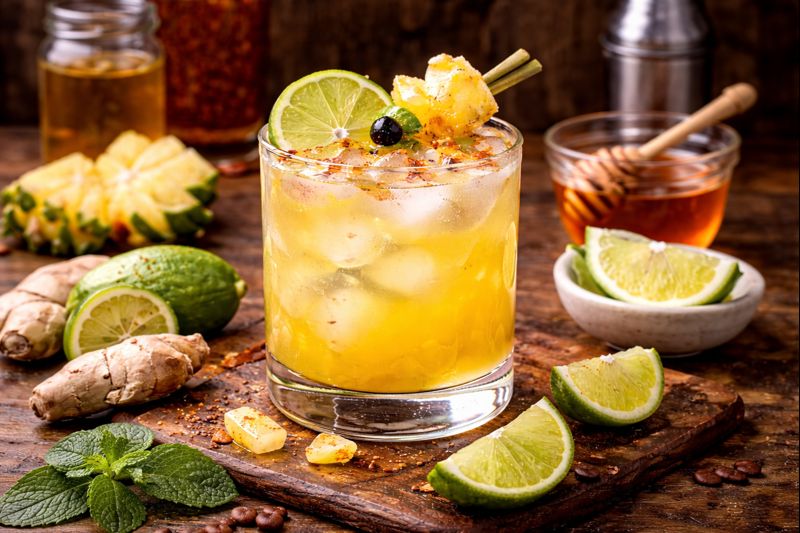
2. Spiced Pineapple Cooler
This mocktail offers tropical sweetness balanced with subtle heat and acidity, making it ideal for evening service.
Ingredients
• 3 oz pineapple juice
• 1 oz fresh lime juice
• 0.75 oz honey syrup
• 2 dashes non-alcoholic aromatic bitters
• 2 oz ginger beer
Method
Shake pineapple juice, lime juice, honey syrup, and bitters with ice. Strain into a rocks glass over fresh ice. Top with ginger beer and lightly stir. Garnish with a lime wheel or candied ginger.
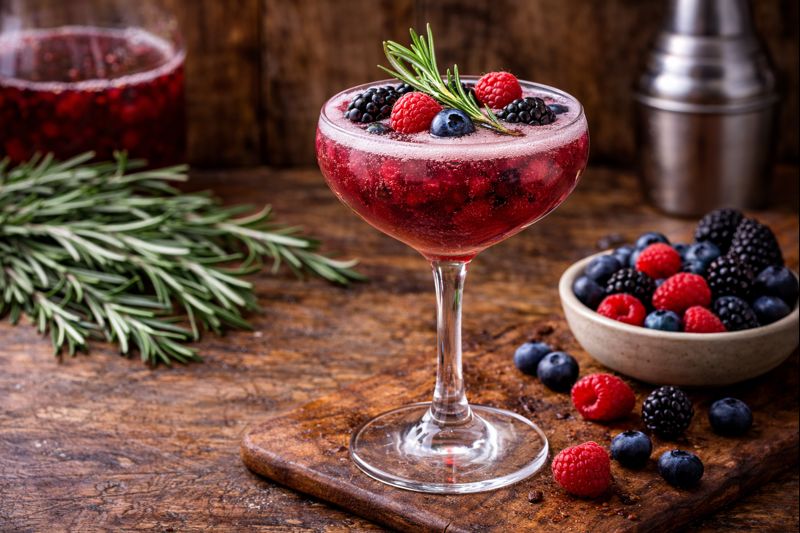
3. Berry Rosemary Fizz
Elegant and aromatic, this mocktail feels celebratory and works well in stemware.
Ingredients
• 2 oz mixed berry purée
• 1 oz fresh lemon juice
• 1 oz rosemary simple syrup
• 3 oz sparkling water
Method
Shake berry purée, lemon juice, and rosemary syrup with ice. Fine strain into a chilled coupe or flute. Top with sparkling water. Garnish with a rosemary sprig or fresh berries.
Mocktail Creativity Day is not about what’s missing—it’s about what’s possible. When treated with the same care as cocktails, mocktails become expressions of flavor, balance, and hospitality. Whether served at a bar, restaurant, or home gathering, they invite everyone to raise a glass and fully participate. Thoughtful, intentional, and inclusive, mocktails are no longer an alternative—they are an essential part of modern drink culture.
 Bar and Bites Consulting
Leave a comment