
Coffee Tasting Day is not simply about drinking coffee slowly—it is about recognizing coffee as an agricultural product, a traded commodity, a cultural catalyst, and a sensory experience shaped by hundreds of decisions before it ever reaches a cup. From its origins in East Africa to modern tasting rooms and cafés, coffee has evolved into one of the most influential beverages in human history. Appreciating it fully requires context, technique, and curiosity.
The origin of coffee
Coffee’s origins are most strongly linked to Ethiopia, where wild coffee plants still grow in forested regions today. Coffea arabica evolved naturally in this environment, thriving at high altitudes with moderate temperatures and rich soil. Long before coffee was brewed as a drink, local populations consumed coffee cherries and used the plant for medicinal and ceremonial purposes.
By the 15th century, coffee crossed the Red Sea into Yemen. Yemen was the first region to cultivate coffee systematically and control its export. Beans were roasted and brewed into a beverage resembling modern coffee, and the port city of Mocha became synonymous with quality. For centuries, Yemen attempted to maintain a monopoly by prohibiting the export of fertile coffee plants—an effort that ultimately failed but delayed global cultivation.
Three defining historical moments in coffee history
1. The rise of coffeehouses (15th–16th centuries)
Coffeehouses first flourished in the Islamic world, particularly in Mecca, Cairo, and Istanbul. These spaces functioned as social, political, and intellectual centers. Coffee’s stimulating effect made it ideal for discussion, debate, and extended gatherings. Authorities occasionally attempted to ban coffee, fearing its role in encouraging dissent—an early sign of coffee’s social power.
2. Coffee’s arrival in Europe (17th century)
When coffee reached Europe, it was initially viewed with suspicion. Over time, coffeehouses became integral to urban life. In England, they earned the nickname “penny universities” because, for the price of a cup, patrons gained access to news, ideas, and conversation. Many financial institutions, newspapers, and insurance companies trace their origins to coffeehouses.
3. Global expansion and commercialization (18th–19th centuries)
European colonial powers spread coffee cultivation to the Caribbean, South America, and Southeast Asia. Brazileventually became the world’s largest coffee producer, a position it still holds. This expansion transformed coffee into a global commodity, but also tied it to systems of forced labor and exploitation—an ethical legacy that modern specialty coffee continues to address through transparency and fair trade initiatives.
Types of coffee beans
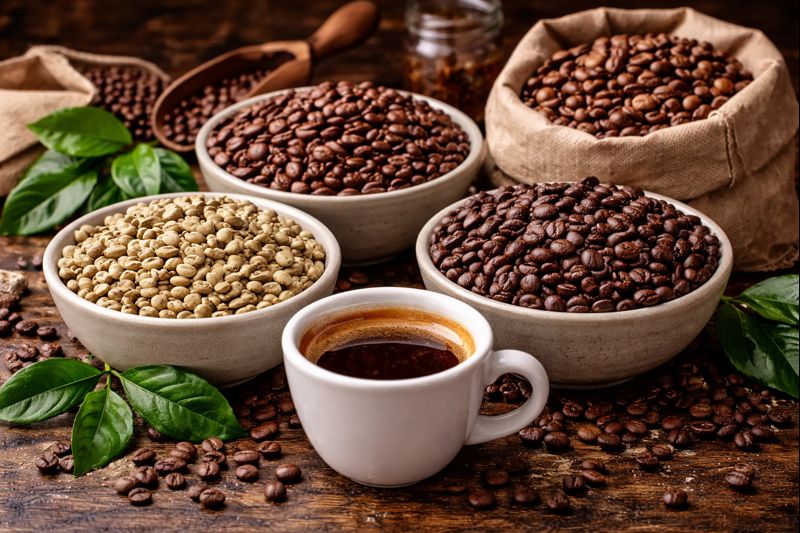
Although over 100 species of coffee exist, four are commercially relevant.
Arabica (Coffea arabica)
Arabica accounts for most specialty coffee. It thrives at higher elevations and produces complex flavors, higher acidity, and aromatic nuance. Notes may include fruit, florals, citrus, chocolate, or nuts, depending on origin and processing.
Robusta (Coffea canephora)
Robusta contains significantly more caffeine and is more resistant to pests. It produces a heavier-bodied, more bitter cup with earthy or woody notes. It is commonly used in espresso blends to add crema and strength.
Liberica (Coffea liberica)
Liberica beans are rare and distinctive, with large, irregular shapes. Their flavor profile is unconventional—smoky, floral, and sometimes woody. They appeal to adventurous drinkers and niche markets.
Excelsa
Often classified as a variety of Liberica, Excelsa contributes bright acidity and tart fruit notes. It is typically used in blends to add complexity rather than consumed alone.
Types of coffee roasts
Roasting is a critical transformation stage that defines flavor more than origin alone.
Light roast
Preserves origin characteristics such as fruit acidity and floral aromatics. Often preferred for tasting and evaluation because it reflects the bean’s natural qualities.
Medium roast
Balances acidity, sweetness, and body. Caramelization becomes more prominent, producing chocolate, nutty, and toffee notes.
Medium-dark roast
Emphasizes richness and reduced acidity. Smoke and spice notes emerge, appealing to those who prefer bolder flavors.
Dark roast
Focuses on bitterness, body, and roast character rather than origin. Oils surface on the beans, and flavors trend toward smoke, cocoa, and char.
The four fundamentals of the perfect cup of coffee
1. Water quality
Water makes up over 98% of brewed coffee. Mineral balance affects extraction; overly soft or hard water will mute or distort flavors.
2. Grind size
Grind size controls extraction rate. Espresso requires fine grinds; French press requires coarse grinds. Incorrect grind size leads to sourness or bitterness.
3. Brew ratio
The relationship between coffee and water determines strength and balance. Consistency in ratio is essential for repeatable quality.
4. Time and temperature
Most coffee extracts best between 90–96°C (195–205°F). Brew time must align with method to achieve balance without over- or under-extraction.
How to conduct a coffee tasting
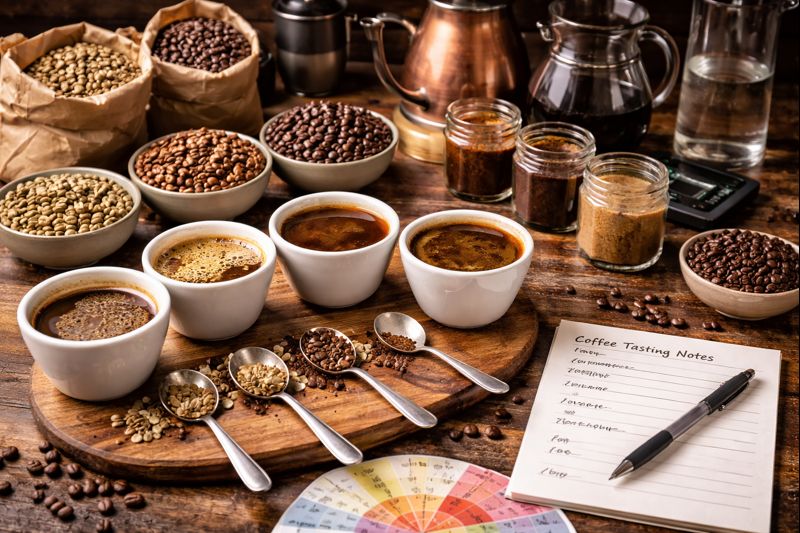
Coffee tasting, often called cupping, is designed to remove brewing variables and focus on sensory evaluation.
Select multiple coffees with different origins, beans, or roast levels. Grind just before brewing and smell the dry grounds to assess aroma.
Add hot water and allow the coffee to steep. Break the crust after several minutes and evaluate aroma again, noting changes.
Taste by slurping from a spoon to aerate the coffee across the palate. Evaluate acidity, sweetness, body, flavor clarity, and finish.
Cleanse the palate between samples and take notes. Over time, patterns emerge that improve sensory vocabulary and preference awareness.
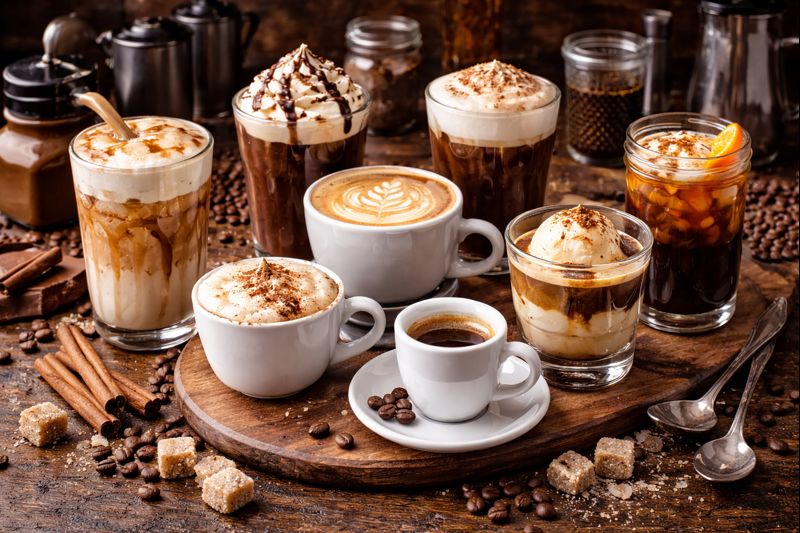
Coffee Tasting Day invites a shift from consumption to appreciation. Coffee is shaped by geography, history, science, and craftsmanship at every stage. Understanding its origins, beans, roasts, and brewing fundamentals transforms coffee from a daily habit into a considered ritual. With attention and practice, every cup becomes an opportunity to taste not just flavor—but history, culture, and intention.
 Bar and Bites Consulting
Leave a comment