
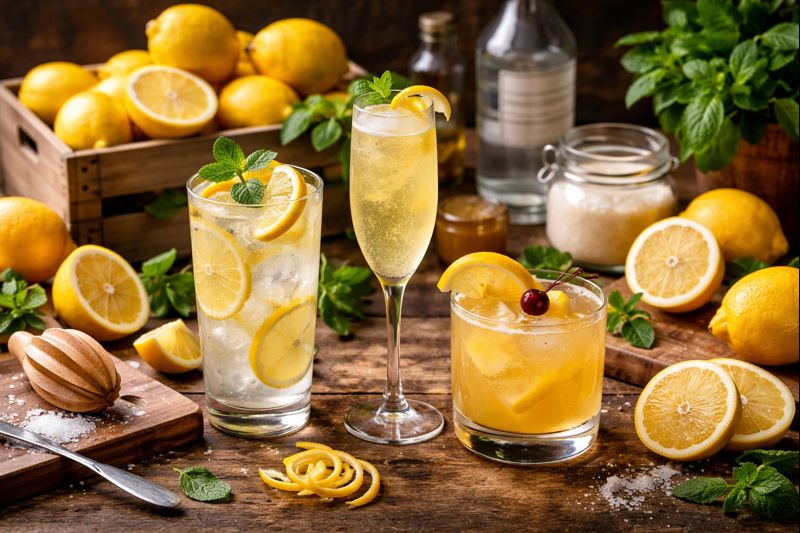
Few ingredients are as quietly influential in food and drink as the lemon. Sharp, aromatic, and endlessly versatile, lemon has shaped culinary traditions, preservation methods, and cocktail culture for centuries. Citrus Celebration Day offers a natural opportunity to examine how this single fruit traveled across continents, embedded itself into global cuisine, and became one of the most essential tools behind the bar.
The origin of lemon
The lemon’s story begins in Asia, most likely in northeastern India, northern Myanmar, or southern China. Botanically, lemon is believed to be a hybrid, developed from early citrus varieties such as citron and bitter orange. Long before lemons appeared in European kitchens or cocktail glasses, they were cultivated for their medicinal value, prized for their fragrance and acidity rather than sweetness.
Arab traders played a significant role in spreading lemon cultivation westward. By around the 10th century, lemons were being grown throughout the Middle East and North Africa. From there, they reached southern Europe via trade routes and later expanded further during the Age of Exploration. Spanish and Portuguese explorers eventually introduced lemons to the Americas, where the fruit adapted well to coastal climates.
Lemon through history
Historically, lemons were valued less as a flavoring and more as a functional ingredient. Their acidity made them useful for preserving food, cleaning surfaces, and, most importantly, preventing scurvy. During long sea voyages in the 17th and 18th centuries, citrus fruits became essential naval provisions, firmly linking lemons to maritime history.
In European cuisine, lemons gradually transitioned from medicinal use to culinary staple. Italian, Greek, and Middle Eastern cooking incorporated lemon juice and zest to brighten rich dishes, balance fats, and enhance freshness. By the 19th century, lemon had become synonymous with refinement, appearing in sauces, desserts, and beverages across the Western world.
This evolution set the stage for lemon’s role in early mixed drinks. As spirits became more refined and widely available, lemon juice emerged as the preferred acid in cocktails, offering clarity and sharpness that vinegar or wine-based acids could not match.
Why lemon matters in cocktails
In cocktail structure, lemon plays a critical technical role. Acidity provides balance, counteracting sweetness and alcohol while lifting aromatics. Lemon juice is sharper and more linear than lime, making it especially effective in spirit-forward or lightly sweetened drinks.
Beyond juice, lemon zest and peel contribute essential oils that shape aroma and first impression. A properly expressed lemon peel can change how a drink is perceived before the first sip. For this reason, lemon is often described as both a flavor and a finishing tool.
Classic cocktail families such as the sour, the fizz, and the collins rely heavily on lemon. Even as modern mixology experiments with alternative acids, lemon remains the benchmark against which balance is measured.
Three lemon-forward classic cocktails
Tom Collins
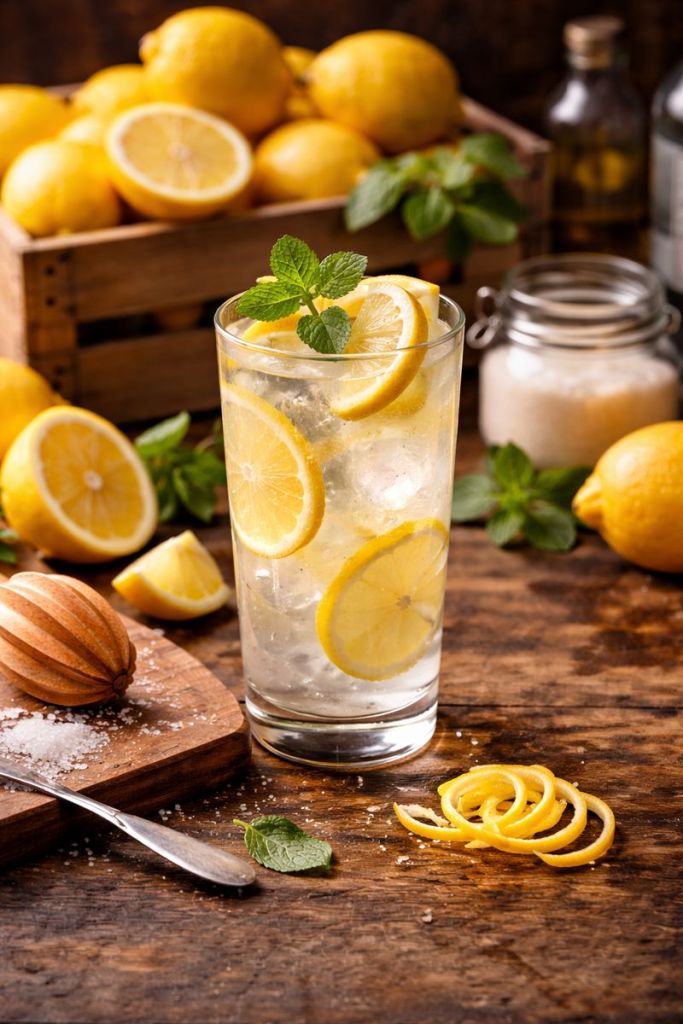
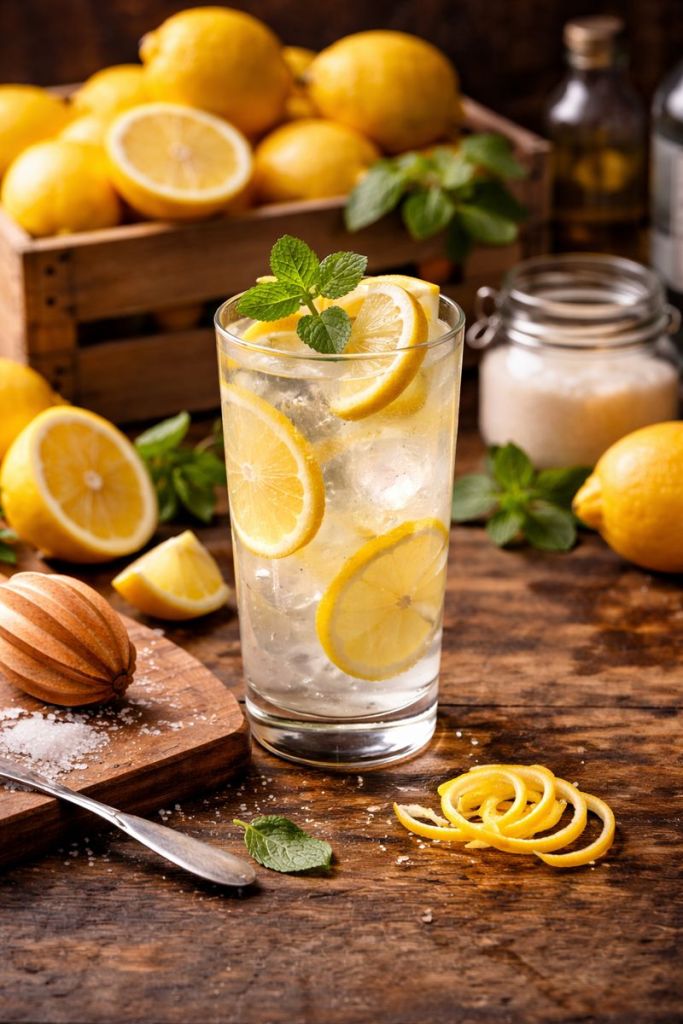
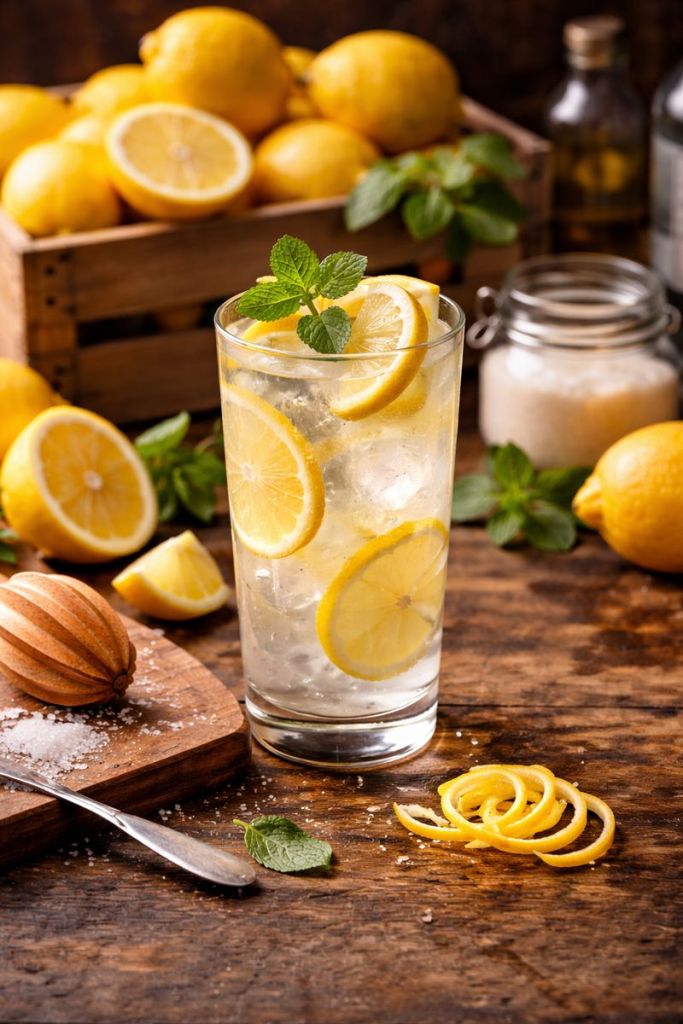
The Tom Collins is one of the clearest expressions of lemon’s refreshing power. Originating in the 19th century, it was built for length and drinkability at a time when carbonated water was gaining popularity.
Classic Tom Collins recipe:
Gin, fresh lemon juice, simple syrup, and soda water. Built over ice in a tall glass and lightly stirred. Lemon provides brightness while carbonation extends the drink’s crisp finish.
French 75
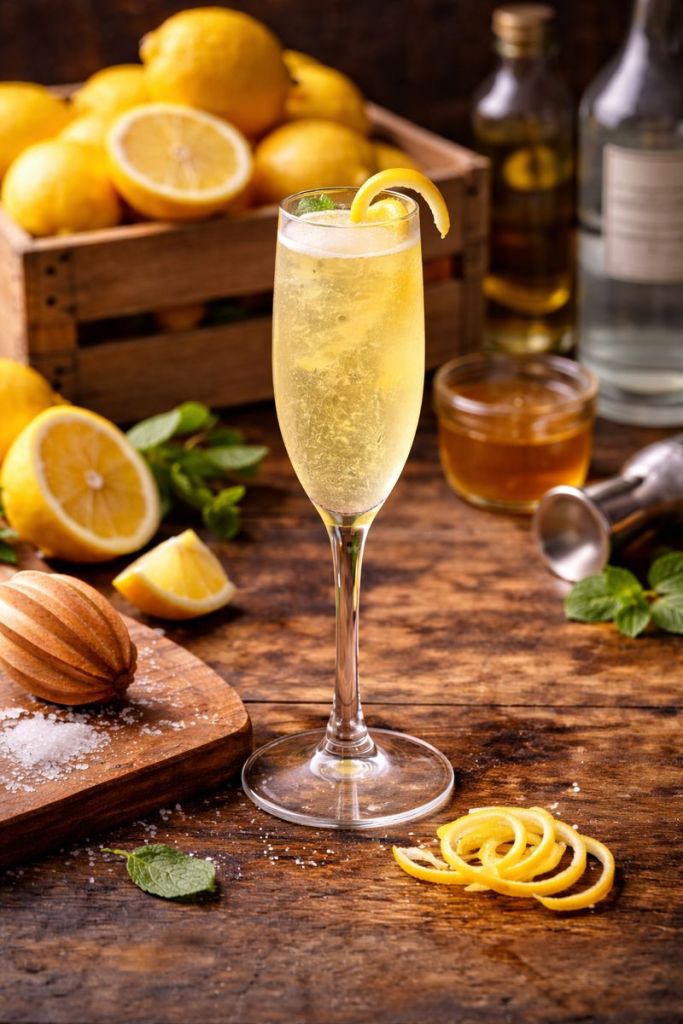
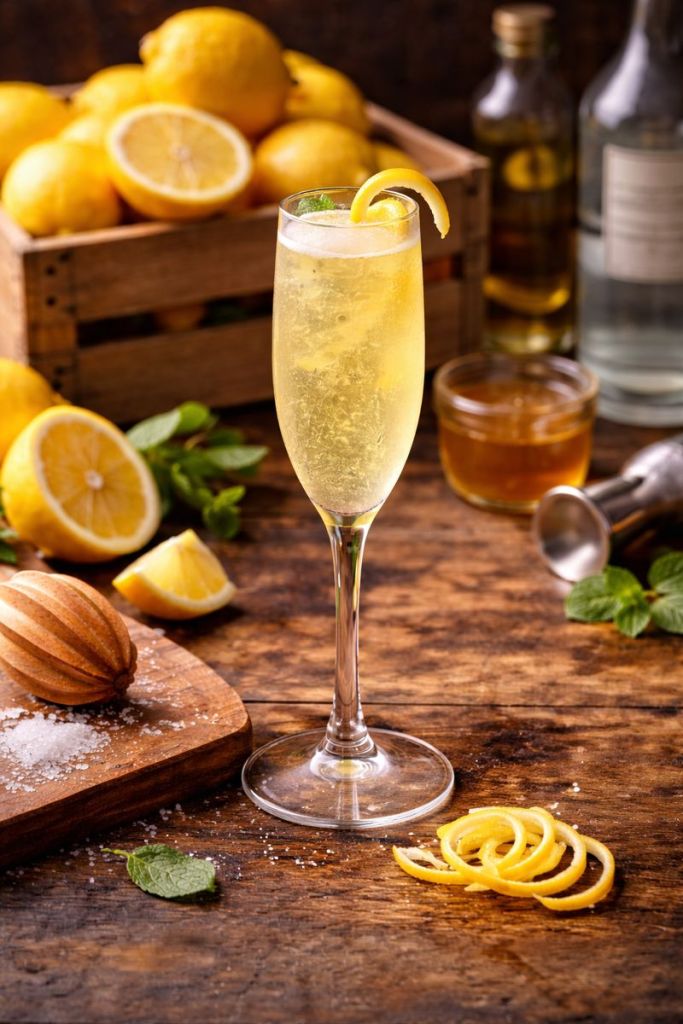
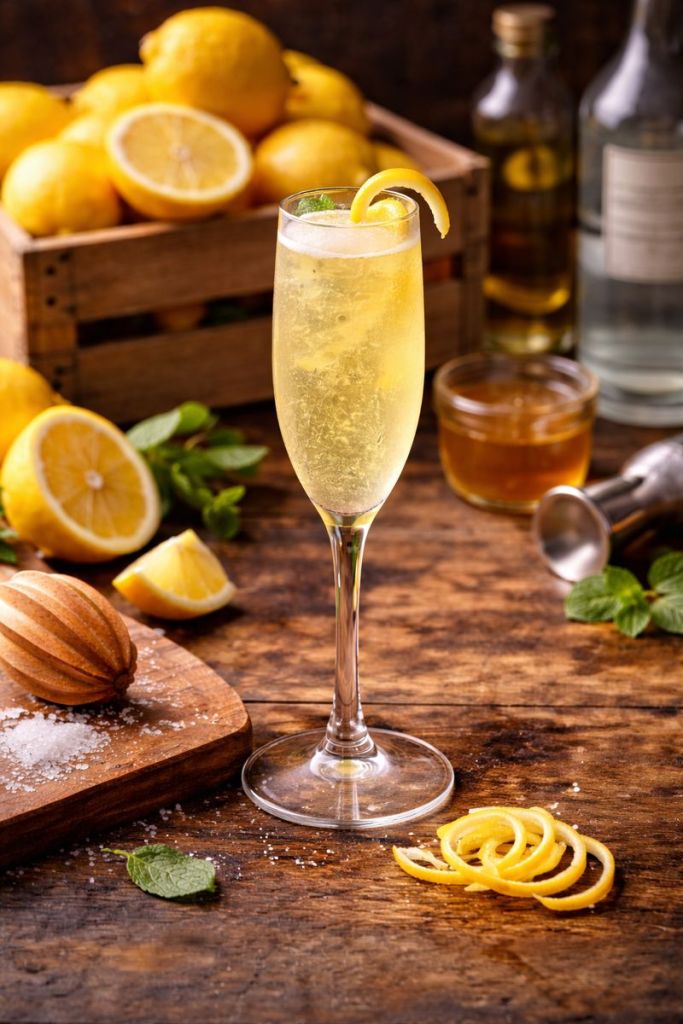
Created during World War I, the French 75 combines elegance with strength. Lemon acts as the bridge between botanical gin and sparkling wine, keeping the cocktail structured and balanced.
Classic French 75 recipe:
Gin, fresh lemon juice, simple syrup, topped with Champagne or sparkling wine. Shaken briefly (without bubbles), strained, and finished with sparkling wine. Lemon sharpens the drink and prevents sweetness from becoming dominant.
Whiskey Sour
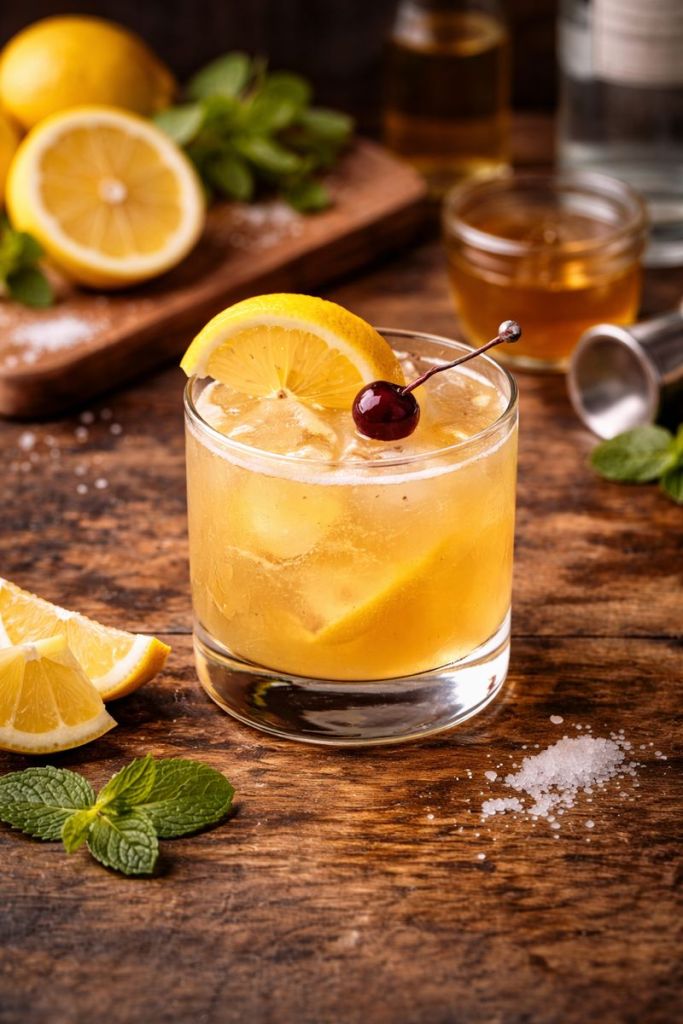
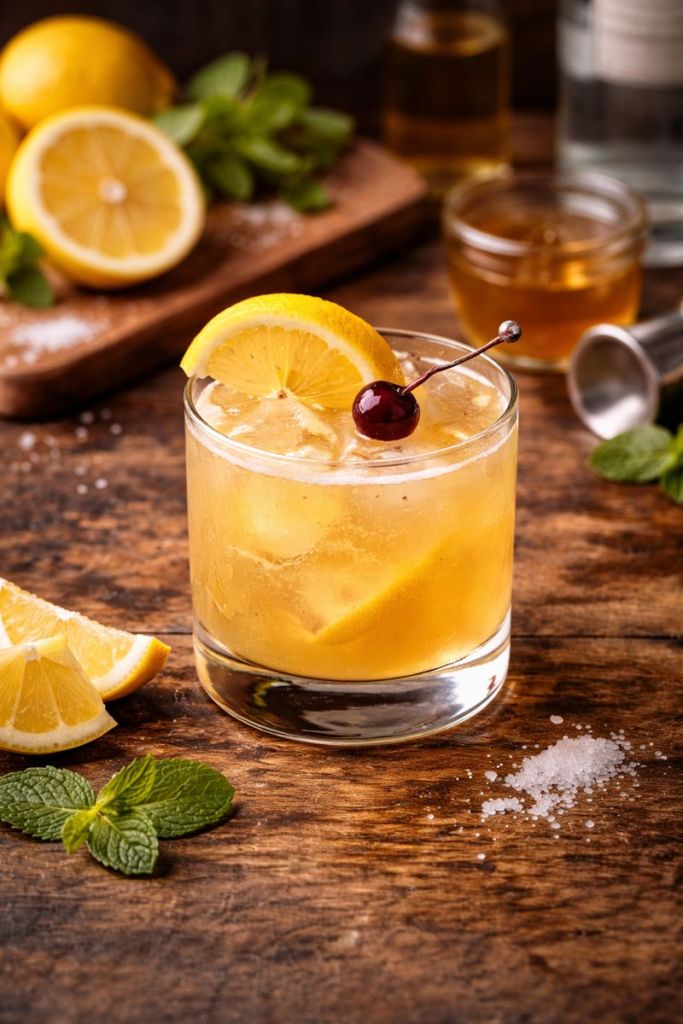
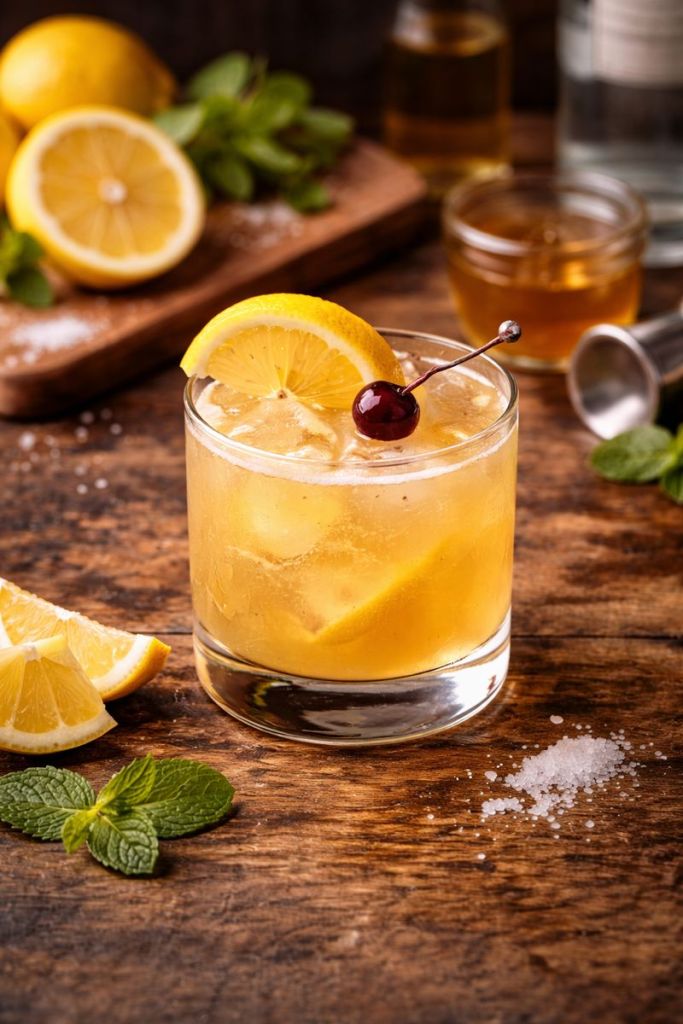
The Whiskey Sour demonstrates lemon’s ability to tame intensity. As one of the earliest standardized cocktails, it showcases how citrus can soften higher-proof spirits without diluting character.
Classic Whiskey Sour recipe:
Bourbon or rye whiskey, fresh lemon juice, and simple syrup. Shaken with ice and strained. Lemon provides tension and clarity, allowing the whiskey’s warmth to remain expressive but controlled.
From its origins in Asia to its central role in modern cocktail culture, lemon has earned its place as one of the most important ingredients in food and drink. Its history is tied to trade, medicine, exploration, and refinement, while its function remains fundamentally practical: balance, brightness, and structure.
Citrus Celebration Day is less about novelty and more about appreciation. Lemon may be familiar, but its impact is foundational. In cocktails especially, it remains a reminder that simplicity, when paired with technique and intention, is often what endures the longest.
 Bar and Bites Consulting
Leave a comment