
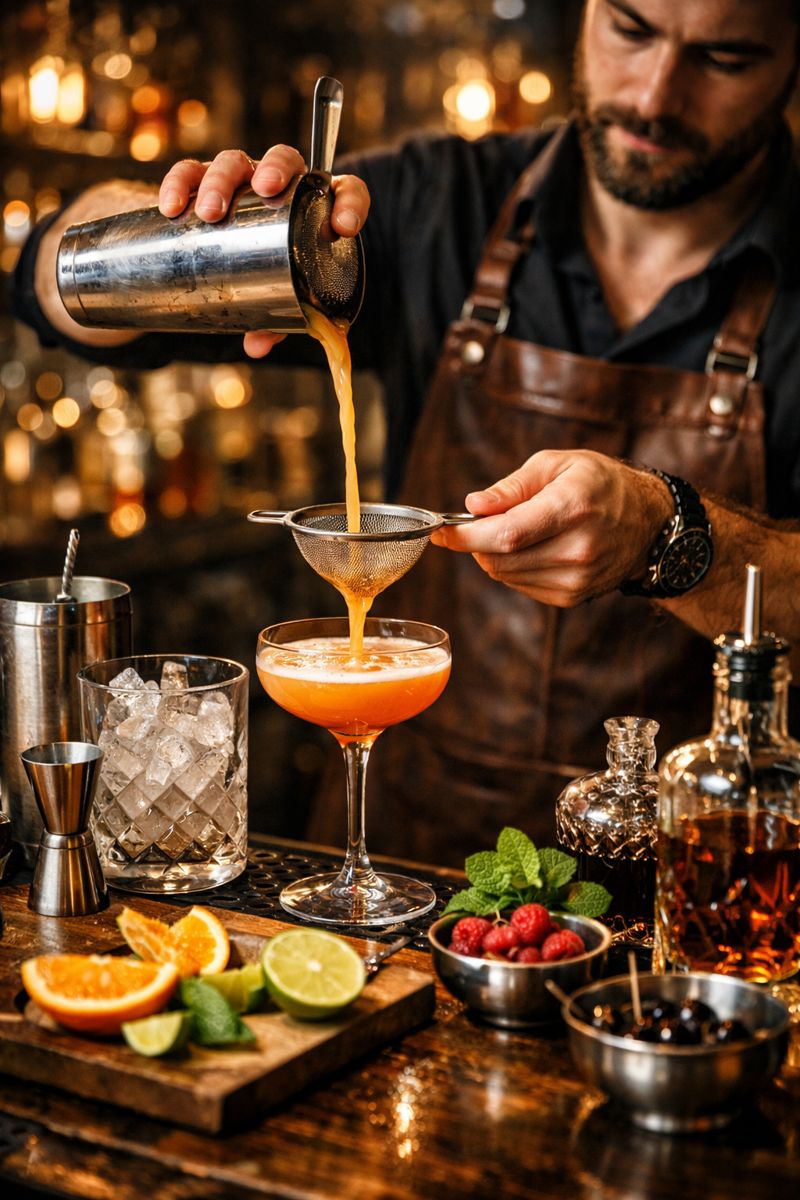
Bartending is so much more than just pouring drinks—it’s an art that combines technical skills, customer service, speed and creativity. Here are some tips if you want to start in the bartending world and we will start easy with:
1. Drink Knowledge & Recipe Mastery
One of the core skills of bartending is knowing your drinks inside and out. This doesn’t just mean memorizing recipes, but truly understanding how flavors blend together and create balance. A great bartender knows how to create, modify, and even invent drinks on the fly, adapting to customers preferences and trends.
You should be able to:
✅ Memorise classic cocktails like the Margarita, Old Fashioned and Martini.
✅ Understand the key ingredients and ratios in popular drinks.
✅ Learn how different spirits, liqueurs, and mixers interact.
💡 Pro Tip: Start with a base of 10-15 classic cocktails and expand from there. A well-rounded bartender can modify recipes to suit a guest’s taste. You can check the cocktails we have selected for you to start with.
Mastering Signature Creations
Great bartenders not only know the classics but can also develop signature cocktails that reflect the bar’s identity or the bartender’s creativity. Experiment with house-infused liquors, homemade syrups, and unique bitters to stand out.
2. Perfect Pouring Techniques
Consistency is key when making drinks, not just for flavour but for maintaining cost control and customer satisfaction. Pouring too much or too little liquor can affect the taste and the bar’s profit margin.
Precision and Accuracy in Pouring
🔹 Free Pouring – This technique involves pouring liquor without using a measuring tool, relying on a counting method like “one-one-thousand” to achieve the correct amount. Free pouring is essential in high-volume settings where speed is crucial.
🔹 Measured Pouring – Using a jigger ensures accuracy and consistency, especially when making craft cocktails where balance is critical.
🔹 Bottle Handling Techniques – Properly gripping and positioning the bottle ensures smooth and accurate pours without spills. Practice pouring from different bottle sizes and shapes to improve your efficiency.
Balancing Speed and Precision
The challenge in bartending is combining speed with precision. Too slow, and you’ll keep customers waiting; too fast, and your pours might be inconsistent.
💡 Pro Tip: Always aim for perfect pours, whether using a jigger or free pouring. Developing a natural rhythm will help you maintain consistency while keeping up with the rush. Practice free pouring with water into a jigger to develop muscle memory and precision.
3. Shaking, Stirring and Mixing
Creating cocktails involves a variety of techniques, each with a specific purpose to enhance flavour, texture or presentation. Knowing when to shake, stir, or muddle is crucial for achieving the best results.
Mastering Cocktail Techniques
✅ Shaking – Essential for drinks with citrus, dairy or egg whites, like a Daiquiri, Whiskey Sour or Gin Fizz. Shaking aerates(add air bubbles) the drink, mixing ingredients thoroughly and adding texture. This method will also dilute the drink.
✅ Stirring – Used for spirit-forward cocktails like the Negroni, Manhattan or Martini, where clarity and smoothness are desired. Stirring gently chills and dilutes the drink without clouding it.
✅ Muddling – Used to release the oils and juices from herbs, fruits or sugar cubes. Be gentle when muddling herbs like mint to avoid releasing bitter compounds.
Proper Technique and Execution
🔹 Always use fresh ice for shaking and stirring to achieve optimal dilution.
🔹 Shake vigorously but controlled to blend flavours without over-diluting.
🔹 Stir with a bar spoon using a circular motion, ensuring smooth and consistent mixing.
🔹 Muddle with care to avoid crushing herbs into a bitter pulp.
💡 Pro Tip: Learn the difference between a dry shake (without ice) and a wet shake (with ice) when working with egg whites to achieve a frothy texture.
4. Speed & Efficiency Behind the Bar
Bartending in a busy environment can be chaotic. The ability to serve drinks quickly without sacrificing quality is a must, especially during peak hours.
Optimizing Your Workstation
🔹 Set up your mise en place – Have your most-used ingredients, tools, and garnishes prepped and within reach before your shift starts.
🔹 Keep your station clean and organized – A tidy workspace means faster service and fewer mistakes.
🔹 Batch and pre-prep common ingredients like syrups and garnishes to save time.
Multitasking and Time Management
🔹 Pour and shake drinks while chatting with guests to maximize productivity.
🔹 Group similar orders to streamline the process.
🔹 Keep a mental list of ongoing tickets to ensure no order gets delayed.
💡 Pro Tip: Watch seasoned bartenders to learn how they move efficiently while maintaining professionalism and a welcoming presence.
5. Understanding Liquor & Pairings
Being able to recommend the perfect drink or pairing enhances the guest experience and showcases your expertise.
Developing Your Palate
🔹 Taste different spirits individually to recognise their unique characteristics.
🔹 Learn the major spirit categories (vodka, gin, rum, tequila, whiskey, and brandy) and their variations.
🔹 Understand the impact of aging, distillation, and regional differences on flavours.
Pairing Drinks with Food
🔹 Know how to balance rich, heavy dishes with light, citrusy cocktails.
🔹 Use whiskey and dark spirits for robust, hearty meals, and clear spirits for lighter, fresh dishes.
🔹 Complement desserts with sweet liqueurs or creamy cocktails.
💡 Pro Tip: Stay curious and regularly taste new products to keep your recommendations fresh and exciting.
6. Cleanliness & Bar Organization
A well-organised bar not only improves efficiency but also makes a positive impression on guests. Keeping everything neat and sanitised is crucial for safety and professionalism.
Hygiene Best Practices
🔹 Wipe down surfaces and sanitise tools regularly.
🔹 Clean glassware thoroughly to avoid residue or water spots.
🔹 Replace garnishes frequently to ensure freshness.
Maintaining Order During Rush Hours
🔹 Always clean as you go to prevent clutter.
🔹 Dispose of empty bottles and used garnishes promptly.
🔹 Refill mixers and restock liquor when the bar is less busy.
💡 Pro Tip: Establish a closing routine that includes deep cleaning and replenishing supplies for the next shift.
Final Thoughts
Mastering these bartending skills will make you more efficient, confident, and respected behind the bar. Whether you’re working in a high-volume nightclub or a cozy cocktail lounge, continuous learning and practice are key to success.
Ready to take your bartending skills to the next level? Start practicing today, and don’t forget—great bartenders don’t just make drinks, they create experiences! 🍸🔥
 Bar and Bites Consulting
Leave a comment